AC & Heating
AC Blowing Warm Air? Common Causes and When to Get It Checked

When a car's air conditioning suddenly blows warm air instead of cold, the most common cause is low refrigerant, usually from a small leak somewhere in the system. It can also point to a failing compressor, an electrical issue affecting the AC system, or a blend door that isn't moving correctly. The AC system is a closed loop, so warm air rarely appears without a specific, identifiable cause behind it.
Warm Air vs. No Airflow at All: Two Different Problems
It's worth separating two complaints that sometimes get lumped together. Warm air coming from the vents at normal fan strength usually points to the refrigerant system or compressor. Weak or no airflow at all, even if the air is cold, usually points somewhere else entirely, a failing blower motor, a clogged cabin air filter restricting flow, or a blend door that's stuck in the wrong position. Knowing which of the two you're actually experiencing helps point the diagnosis in the right direction from the start.
How Your Car's AC System Is Supposed to Work
Your vehicle's air conditioning relies on refrigerant circulating through a sealed system, compressed and expanded in a cycle that pulls heat out of the air blowing into the cabin. The compressor drives that cycle, the condenser releases heat, and various sensors and electrical components control when and how the system engages. Because it's a sealed, pressurized system, a drop in performance almost always points to either a leak, a failed component, or an electrical fault somewhere in that chain.
Common Causes of Warm Air From the AC
- Low refrigerant from a slow leak somewhere in the system
- A failing AC compressor, which is what actually drives the cooling cycle
- An electrical issue preventing the compressor from engaging
- A blend door actuator that's stuck, mixing in warm air even when the AC is on
- A failing condenser that can't release heat properly
Why AC Problems Can Point to the Cooling System Too
The AC condenser sits near the radiator and shares some airflow and cooling demands with the engine's cooling system. If your AC is behaving oddly and you've also noticed the engine running warmer than usual, it's worth mentioning both when you call, since they can sometimes share a root cause, like a failing cooling fan.
Read our guide on why a car overheats and what to do about itWhy Refrigerant Work Isn't a DIY Project
Automotive refrigerant is regulated, and handling it requires certified equipment to recover, evacuate, and recharge the system correctly without releasing refrigerant into the atmosphere. Store-bought recharge cans can sometimes offer a short-term improvement, but they don't address a leak, can't tell you how much refrigerant is actually in the system, and in some cases can introduce the wrong type or amount of refrigerant, which creates a bigger problem for whoever services it next. A proper AC service uses the right equipment to evacuate, measure, and recharge the system to the correct specification.
Why a Leak Needs to Be Found, Not Just Recharged
Refrigerant doesn't get "used up" the way fuel does, a properly sealed AC system should hold its refrigerant charge for years. If a system is low, that almost always means refrigerant has escaped somewhere, whether through a small crack in a line, a failing seal, or a worn fitting. Simply recharging the system without finding the leak usually means the same warm-air problem returns within weeks or months, since the refrigerant has somewhere to keep escaping from. Finding and repairing the actual leak is what makes a recharge worth doing.
When It's an Electrical Issue Instead
Sometimes the AC hardware is fine, but the system that controls it isn't engaging properly. A blown fuse, a failing relay, or a wiring issue can all prevent the compressor from turning on even if refrigerant levels and mechanical components are otherwise healthy. This is one of the reasons a proper AC diagnosis checks the electrical side of the system, not just refrigerant level.
Why This Matters Year-Round in Michigan
Detroit summers get hot and humid enough that a failing AC system is more than just an inconvenience on a long drive. And because heating and AC share some components in many vehicles, a system that isn't working right in summer can sometimes point to an issue that would also affect your heat later in the year, which matters heading into a Michigan winter.
What an AC Diagnosis Involves
We check AC performance, inspect the refrigerant system for leaks, test the compressor and related electrical components, and check the blower motor and cabin air filter, since restricted airflow can sometimes be mistaken for a cooling problem. We explain what we find before recommending a repair.
See what's included in our AC & Heating Repair serviceRelated Services
AC & Heating Repair
Air conditioning and heating system diagnosis and repair for year-round comfort.
Learn moreRadiator & Cooling System Repair
Cooling system diagnosis and repair to help prevent overheating and engine damage.
Learn moreAuto Electrical Repair
Diagnosis and repair of electrical issues, from wiring and fuses to lights and power accessories.
Learn moreRelated Questions
Can I just add refrigerant myself to fix warm AC?
Adding refrigerant without knowing why the level is low usually only masks the issue temporarily. If there's a leak, it needs to be found and addressed, or the system will lose refrigerant again.
Why does my AC work fine at highway speed but not while idling?
This pattern can point to a cooling fan issue, since airflow from driving may be compensating for a fan that isn't working properly at low speeds.
Does a warm AC always mean a big repair?
Not necessarily. Some causes, like a small leak or an electrical connection, are relatively straightforward. A proper diagnosis is what determines whether it's a simple fix or something larger.
Is it normal for AC performance to fade over several years?
Some gradual performance loss can happen over time, but a sudden change from cold to warm air usually points to a specific issue rather than simple wear, and is worth having checked.
Could a dirty cabin air filter be the real problem?
A clogged cabin air filter reduces airflow through the vents, which can make the AC feel weaker even if the cooling system itself is working fine. It's a simple, inexpensive thing to check before assuming a bigger repair is needed.
Should I run my AC year-round to keep it in good shape?
Running the AC occasionally, even in cooler months, helps keep seals and components lubricated and can catch a developing issue before it becomes a problem you notice on the first hot day of summer.
Related Articles
Cooling System
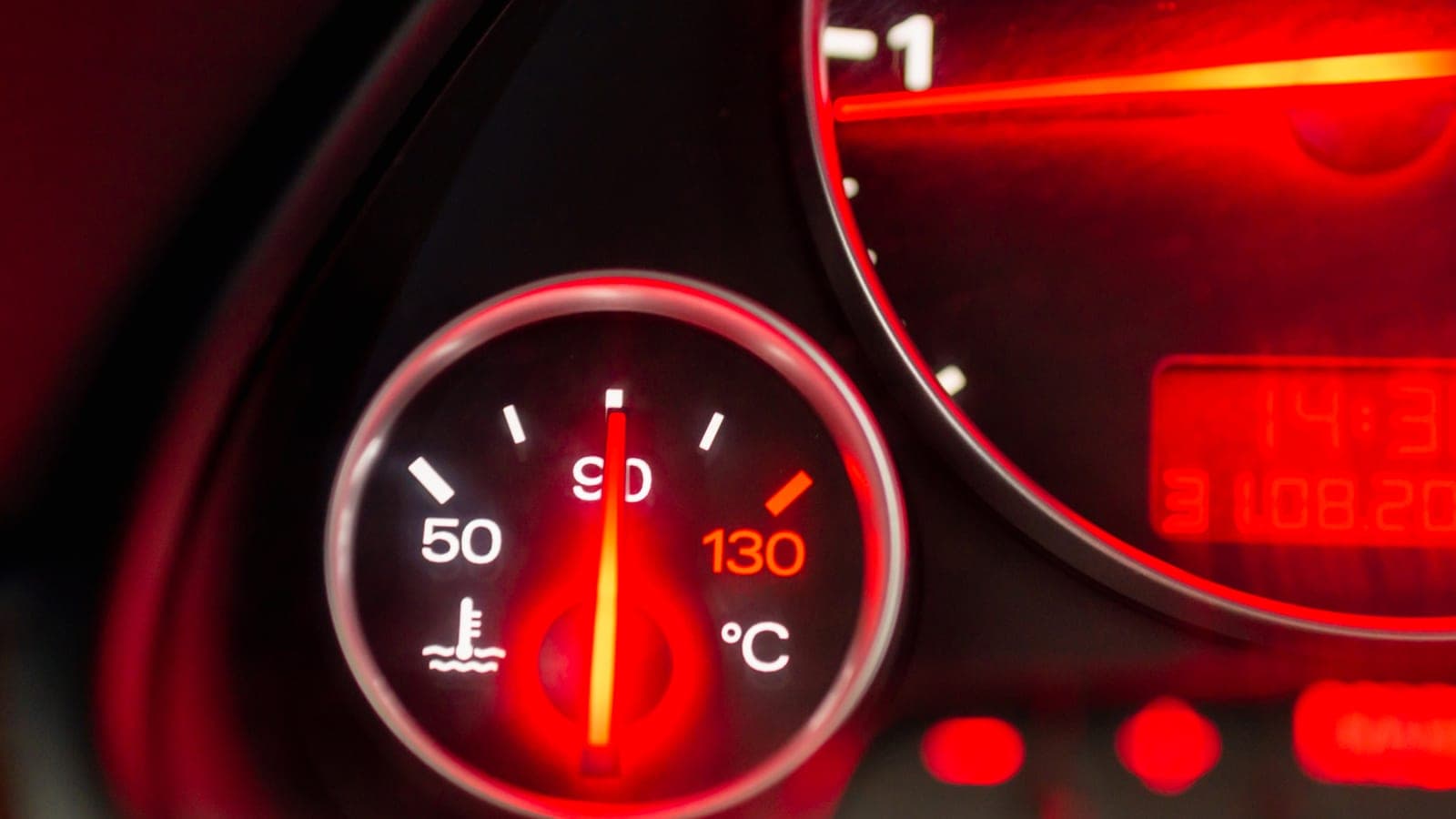
Why Is My Car Overheating? Common Causes and What to Do Next
An overheating engine can turn into serious damage quickly. Here's what commonly causes it and what to do the moment you notice it.
Electrical
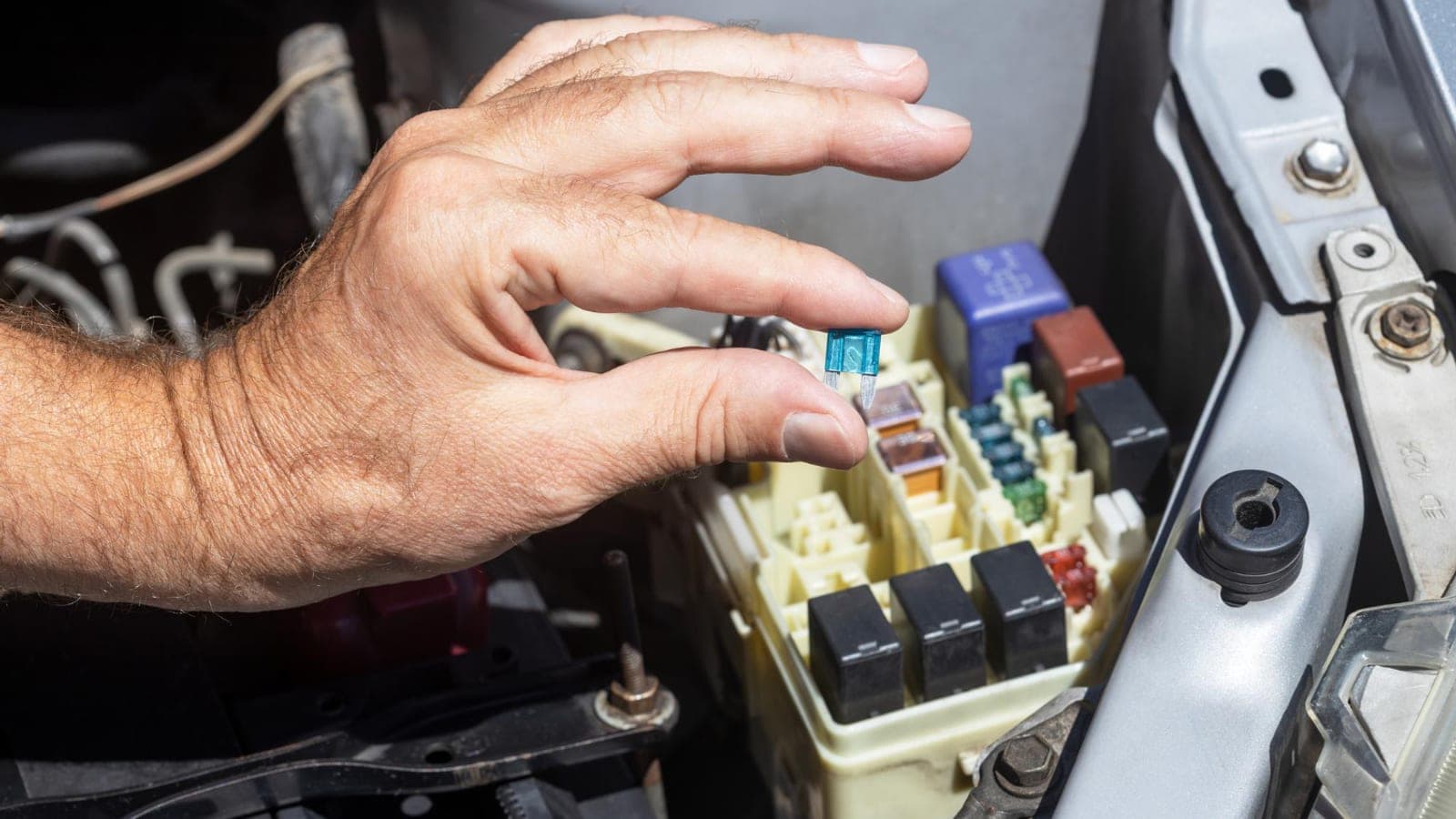
Common Car Electrical Problems and What They Usually Mean
Flickering lights, blown fuses, and dead accessories can all point to different underlying issues. Here's how to think through them.
Need Help With This in Detroit?
Call now for a straight answer, or request a free quote and we'll follow up.