Cooling System
Why Is My Car Overheating? Common Causes and What to Do Next
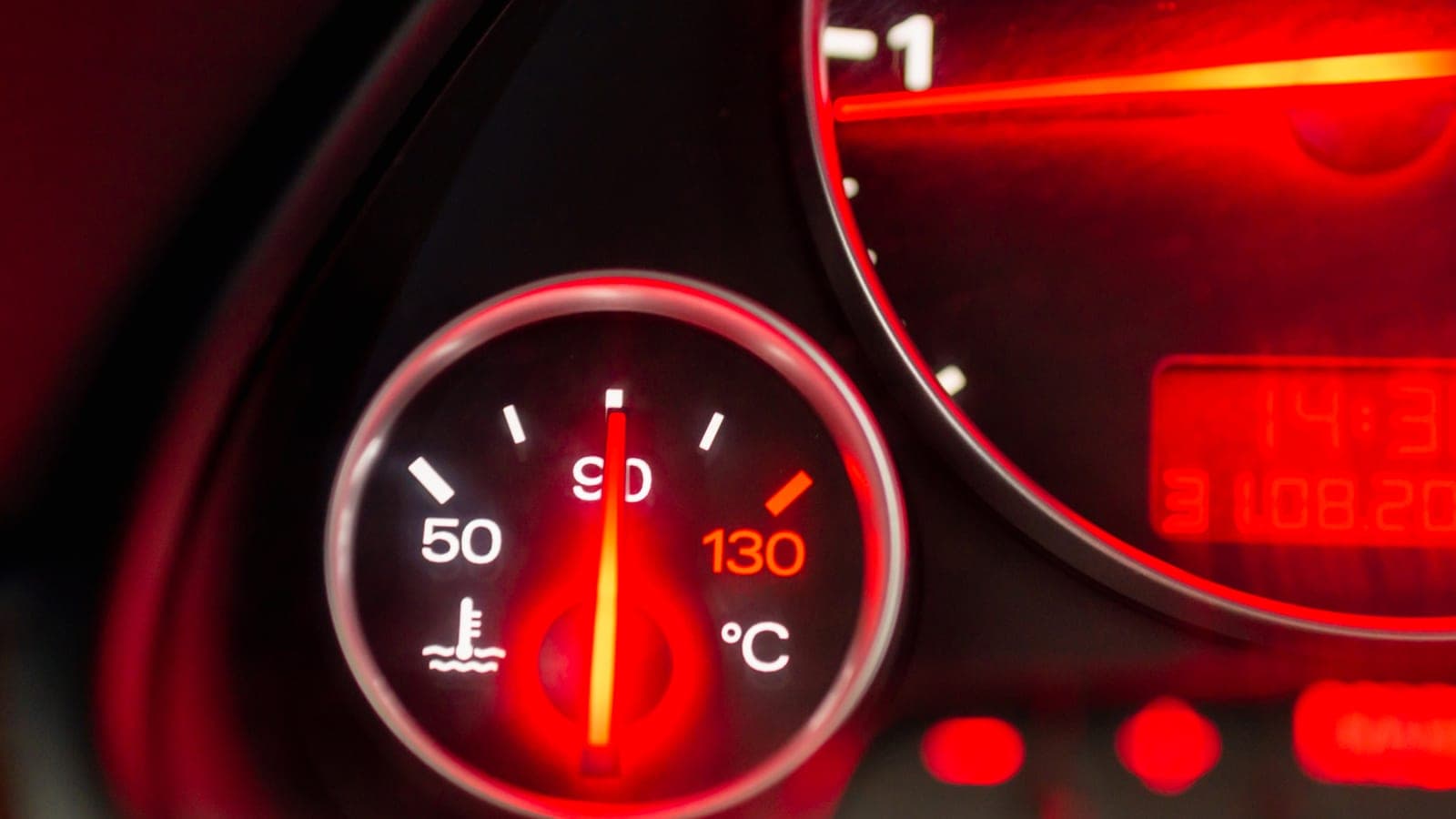
An overheating engine almost always comes down to the cooling system losing its ability to move heat away from the engine, usually because of low coolant, a leak somewhere in the system, or a failed component like the water pump or thermostat. If your temperature gauge climbs into the red, the most important thing is to stop driving as soon as it's safe to do so. Continuing to drive an overheating engine, even for a few more minutes, is one of the fastest ways to turn a repairable issue into an expensive one.
What the Cooling System Is Actually Doing
Your engine generates a tremendous amount of heat, and the cooling system's job is to move that heat away before it causes damage. Coolant circulates through the engine, absorbs heat, and carries it to the radiator, where outside air cools it back down before it circulates again. The water pump keeps coolant moving, the thermostat regulates when and how much flows, and hoses connect all of it together. A failure in any one of these parts can cause the whole system to stop doing its job.
Common Causes of Overheating
- Low coolant level, often from a slow leak that's easy to miss
- A leaking radiator, hose, or water pump
- A stuck thermostat that won't open to let coolant flow
- A failing water pump that no longer circulates coolant properly
- A clogged radiator that can't release heat efficiently
- A failed radiator fan
Warning Signs Before the Gauge Hits the Red
Overheating doesn't always come out of nowhere. There are usually earlier signs that something in the cooling system needs attention:
- The temperature gauge reading higher than normal, even if it's not yet in the red
- A sweet smell, which often means a coolant leak
- Steam or visible fluid leaking from under the hood
- Low coolant level with no obvious explanation
- The heater blowing cooler than expected, which can point to a related issue
Can Overheating Happen Even With a Full Coolant Level?
Yes, though it's less common. If coolant level looks fine but the vehicle still overheats, the cause is more likely a mechanical failure rather than a fluid problem, a water pump that's no longer circulating coolant effectively, a thermostat stuck closed so coolant isn't reaching the radiator, or a radiator fan that isn't engaging when it should, especially at low speeds or while idling. This is exactly why a proper diagnosis checks the whole system rather than stopping at the coolant reservoir.
What to Do If Your Car Starts Overheating
If you notice the temperature gauge climbing, turn off the air conditioning and, if you're stuck in traffic, turning the heater on full blast can actually help pull some heat away from the engine temporarily. Pull over safely as soon as you can and shut the engine off. Don't open the radiator cap while the engine is hot, pressurized, scalding coolant can spray out. Once the engine has cooled, check the coolant level if you're comfortable doing so, but the safest next step is having it towed or inspected rather than continuing to drive on a system you know is compromised.
Does the Type of Coolant Matter?
Yes, different vehicles are designed around different coolant formulations, and mixing incompatible types can cause the coolant to break down or lose its ability to protect against corrosion. If you're topping off coolant yourself, it's worth confirming it matches what your vehicle already uses rather than grabbing whatever is on the shelf. When in doubt, a 50/50 pre-mixed coolant matched to your vehicle's specification is the safer choice, or you can have it checked and topped off correctly as part of a service visit.
Can Overheating Be Prevented?
Regular attention to the cooling system is the most effective form of prevention. That means keeping an eye on the coolant level, watching for any of the early warning signs described above, and having the system checked if the vehicle is due for a coolant flush or if you notice anything unusual under the hood. Catching a small leak, a weakening hose, or an aging water pump before it fails completely is far less disruptive than dealing with it on the side of the road.
Why Cooling Systems Work Harder in Michigan
Detroit summers bring real heat and humidity, which puts extra demand on a cooling system that may already be marginal from winter wear. Meanwhile, winter's freeze-thaw cycles and road salt can accelerate corrosion on metal cooling system components like the radiator and water pump. That combination, hard use in summer, corrosion exposure in winter, is part of why cooling systems in this climate benefit from being checked on a regular basis rather than only after a problem shows up.
How We Diagnose an Overheating Issue
We inspect the radiator, hoses, water pump, and thermostat, and pressure-test the system to find leaks that aren't always obvious just from looking under the hood. Catching a small leak or an early water pump issue is one of the most effective ways to avoid a much more serious engine repair down the line.
See what's included in our Radiator & Cooling System Repair serviceRelated Services
Radiator & Cooling System Repair
Cooling system diagnosis and repair to help prevent overheating and engine damage.
Learn moreEngine Repair
Engine diagnostics and repair for performance issues, unusual noises, leaks, and drivability problems.
Learn moreAC & Heating Repair
Air conditioning and heating system diagnosis and repair for year-round comfort.
Learn moreRelated Questions
Can I keep driving if my car is overheating a little?
It's best not to. Even a mild overheat can cause damage if it continues, and it's much safer to pull over and let the engine cool than to keep driving and hope it stabilizes.
Is it safe to add coolant myself?
Only once the engine has fully cooled down, and only if you're comfortable doing so. Never open a hot radiator cap. If you're not sure what's causing the low coolant, it's worth having the system inspected rather than just topping it off repeatedly.
Why does my car overheat only in traffic?
Overheating that happens mainly at low speeds or idling, but not on the highway, often points to a cooling fan issue, since airflow from driving isn't there to help compensate.
What does a sweet smell from my engine mean?
A sweet smell is a common sign of a coolant leak. It's worth having the cooling system inspected to find where the leak is coming from before it leads to overheating.
How often should coolant be flushed?
It depends on the vehicle and coolant type used, rather than one universal number. We can check your coolant's condition as part of an inspection and let you know if a flush is due.
Related Articles
Diagnostics
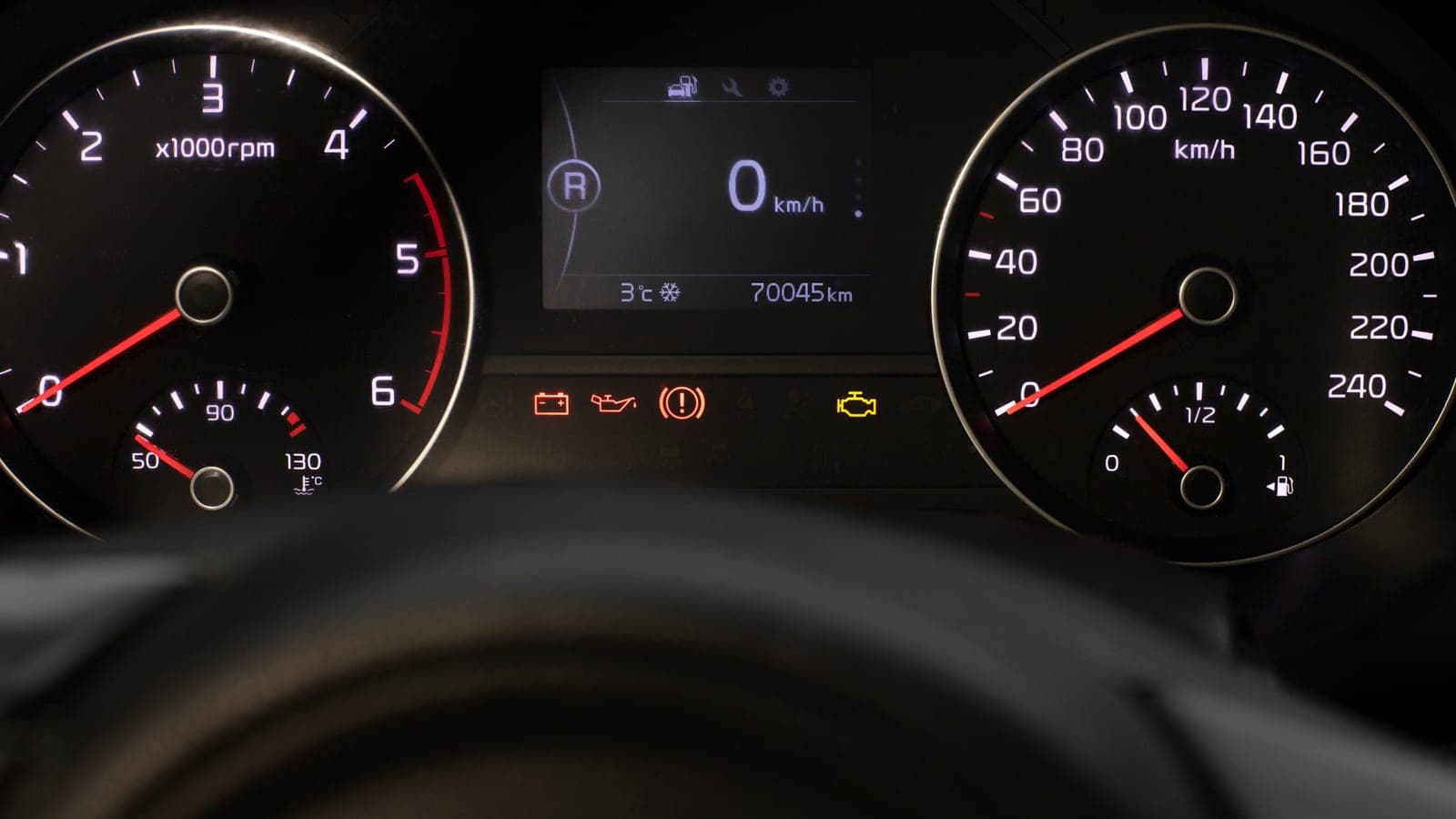
Why Is My Check Engine Light On? Common Causes Detroit Drivers Should Know
A check engine light can mean a lot of different things. Here's how to tell a minor issue from something that needs attention right away.
Transmission
Signs of Transmission Trouble You Shouldn't Ignore
A hesitation or a rough shift today can turn into a much bigger repair if it's ignored. Here's what to watch for.
Need Help With This in Detroit?
Call now for a straight answer, or request a free quote and we'll follow up.