Diagnostics
Why Is My Check Engine Light On? Common Causes Detroit Drivers Should Know
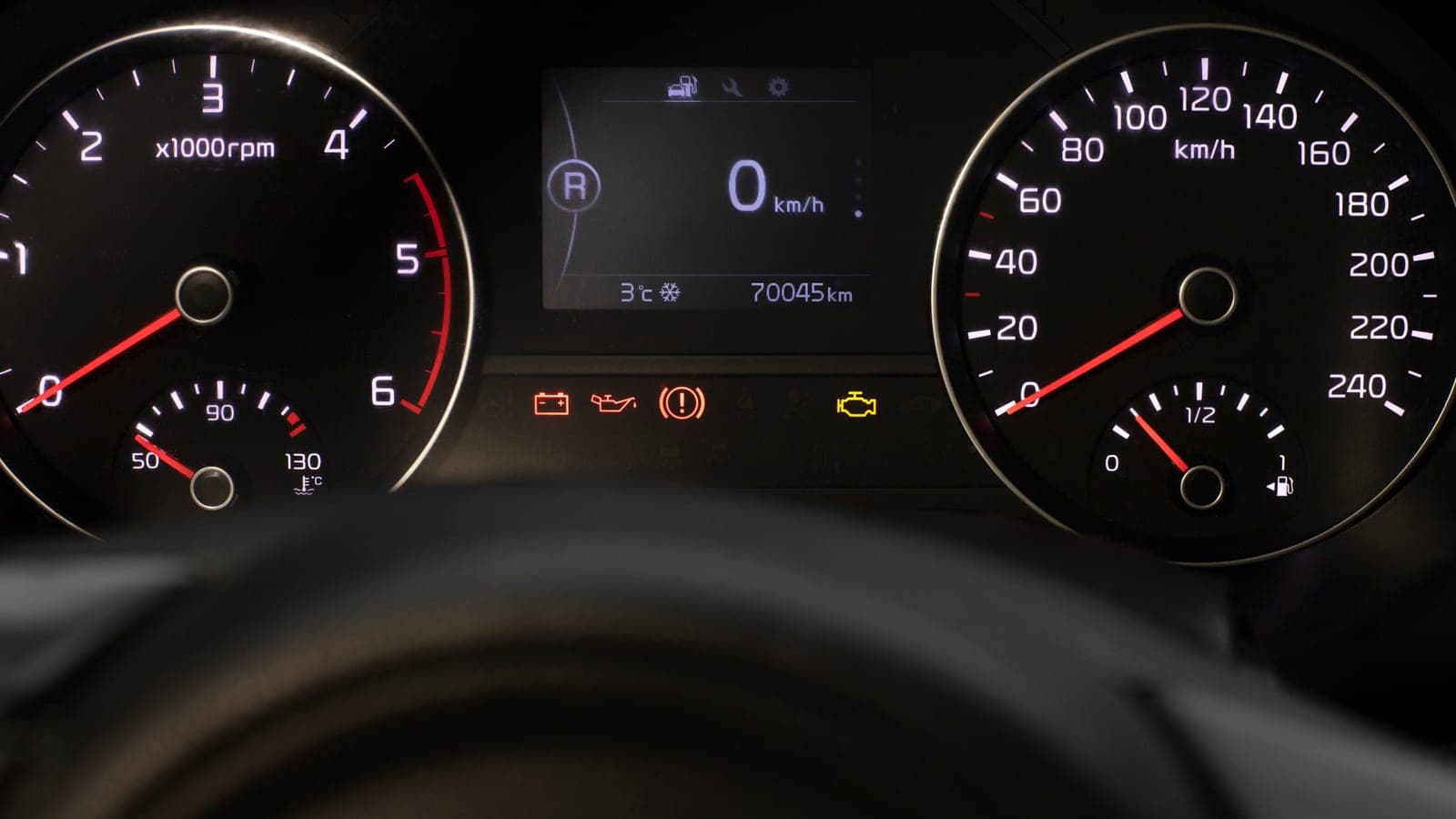
In most cases, a check engine light means your vehicle's computer has detected something outside of its normal operating range, it doesn't necessarily mean your car is about to break down. A steady, solid light usually points to a non-urgent issue, like a loose gas cap, a worn sensor, or a minor emissions-related fault. A flashing check engine light is different: it typically signals an active engine misfire, which can damage the catalytic converter if you keep driving. The safest approach is to have the light scanned so you know which situation you're actually dealing with.
What the Check Engine Light Actually Means
Modern vehicles run dozens of sensors that monitor everything from oxygen levels in the exhaust to engine timing and fuel mixture. When one of these readings falls outside its expected range, the onboard computer stores a diagnostic trouble code (DTC) and turns on the check engine light. The light itself doesn't tell you what's wrong, it's just a signal that something needs to be looked at. Reading the actual code, and understanding the systems connected to it, is what turns that signal into a real answer.
Common Reasons a Check Engine Light Comes On
Some causes are minor and inexpensive to fix. Others point to something more involved. A few of the most common causes we see include:
- A loose, cracked, or missing gas cap, which affects the fuel system's pressure
- A failing oxygen sensor, which affects fuel efficiency and emissions
- A worn ignition coil or spark plug, which can cause a misfire
- A vacuum leak, which can cause rough idling or hesitation
- A failing catalytic converter
- Issues with the mass airflow sensor, which affects how the engine measures incoming air
Because so many different systems can trigger the same light, guessing at the cause rarely saves money. Two vehicles with the exact same warning light on can have completely different problems underneath it.
Solid vs. Flashing: Why the Difference Matters
A solid check engine light means the issue has been detected but isn't considered an immediate danger to the engine. It's still worth having scanned soon, since small issues can develop into bigger ones. A flashing check engine light is more urgent, it usually means the engine is misfiring badly enough that unburned fuel could reach and damage the catalytic converter. If your check engine light is flashing, it's best to reduce your speed, avoid heavy acceleration, and get it looked at as soon as possible rather than continuing to drive normally.
Other Warning Signs to Pay Attention To
The check engine light rarely appears completely on its own. Paying attention to what else the vehicle is doing can help you describe the issue more clearly when you call a shop:
- Rough idling, hesitation, or a loss of power
- A noticeable drop in fuel economy
- Unusual engine noise, such as knocking or ticking
- A vehicle that recently failed, or is due for, an emissions check
Why This Matters for Detroit and Michigan Drivers
Michigan's temperature swings put extra strain on sensors, hoses, and electrical connections, especially heading into and out of winter. Cold starts are harder on the engine and its sensors, and road salt can accelerate corrosion on wiring and connectors near the engine bay. None of that means every check engine light in Detroit is caused by winter, but it's part of why a light that comes and goes with the weather is still worth having scanned rather than ignored.
What Happens If You Ignore a Check Engine Light
Ignoring a solid check engine light doesn't usually cause immediate damage, but it removes your ability to catch a developing problem while it's still minor. A small vacuum leak or a single failing sensor can, over enough time, put extra strain on other components, an engine running a slightly wrong fuel mixture, for example, can eventually affect the catalytic converter. What starts as an inexpensive fix has a way of becoming a more involved repair if the underlying cause sits unaddressed for months.
Should You Trust a Free Auto Parts Store Scan?
Many auto parts stores offer a free code scan, and it can be a reasonable first step to see what code is stored. But a code only points to a system or a range of possible causes, it isn't a diagnosis on its own. For example, a code pointing to a misfire doesn't tell you whether the cause is a worn spark plug, a failing ignition coil, or a vacuum leak. A free scan can be a useful starting point, but the actual inspection work is what turns that code into an accurate answer.
What a Proper Diagnosis Looks Like
At 7 Mile and Hoover Auto Services, a check engine light visit starts with pulling the stored diagnostic codes and inspecting the systems connected to them, not just clearing the light and hoping it doesn't come back. We explain what the code points to in plain language, what we'd recommend, and why, before any repair work begins.
If more than one code is stored, we also look at whether they're related to each other, sometimes several codes trace back to a single root cause, like a vacuum leak affecting multiple sensor readings at once, rather than several unrelated problems needing separate repairs.
See what's included in our Check Engine Light & Diagnostics serviceIf the underlying cause turns out to be electrical rather than a sensor or mechanical part, we can trace that down as well.
Read more about common car electrical problems and what they usually meanRelated Services
Check Engine Light & Diagnostics
Check engine light diagnosis to identify the actual cause before recommending a repair.
Learn moreAuto Electrical Repair
Diagnosis and repair of electrical issues, from wiring and fuses to lights and power accessories.
Learn moreEngine Repair
Engine diagnostics and repair for performance issues, unusual noises, leaks, and drivability problems.
Learn moreRelated Questions
Can I still drive with the check engine light on?
If the light is solid and the vehicle otherwise drives normally, it's usually safe to drive for a short period, but it's still worth having it scanned soon. If the light is flashing, limit driving and have it checked as soon as possible.
Will disconnecting the battery turn off the check engine light?
Disconnecting the battery can temporarily clear the light, but if the underlying issue is still there, it will come back once the vehicle detects the same fault again. It doesn't fix the actual cause.
How much does it cost to find out what's wrong?
Cost depends on the vehicle and what the diagnosis involves. Call us with your vehicle's year, make, and model, and we can talk through what a diagnostic visit looks like.
Is a check engine light always related to emissions?
No. While many causes are emissions-related, a check engine light can also point to issues with the engine's performance, sensors, or electrical system that have nothing to do with emissions testing.
Related Articles
Electrical
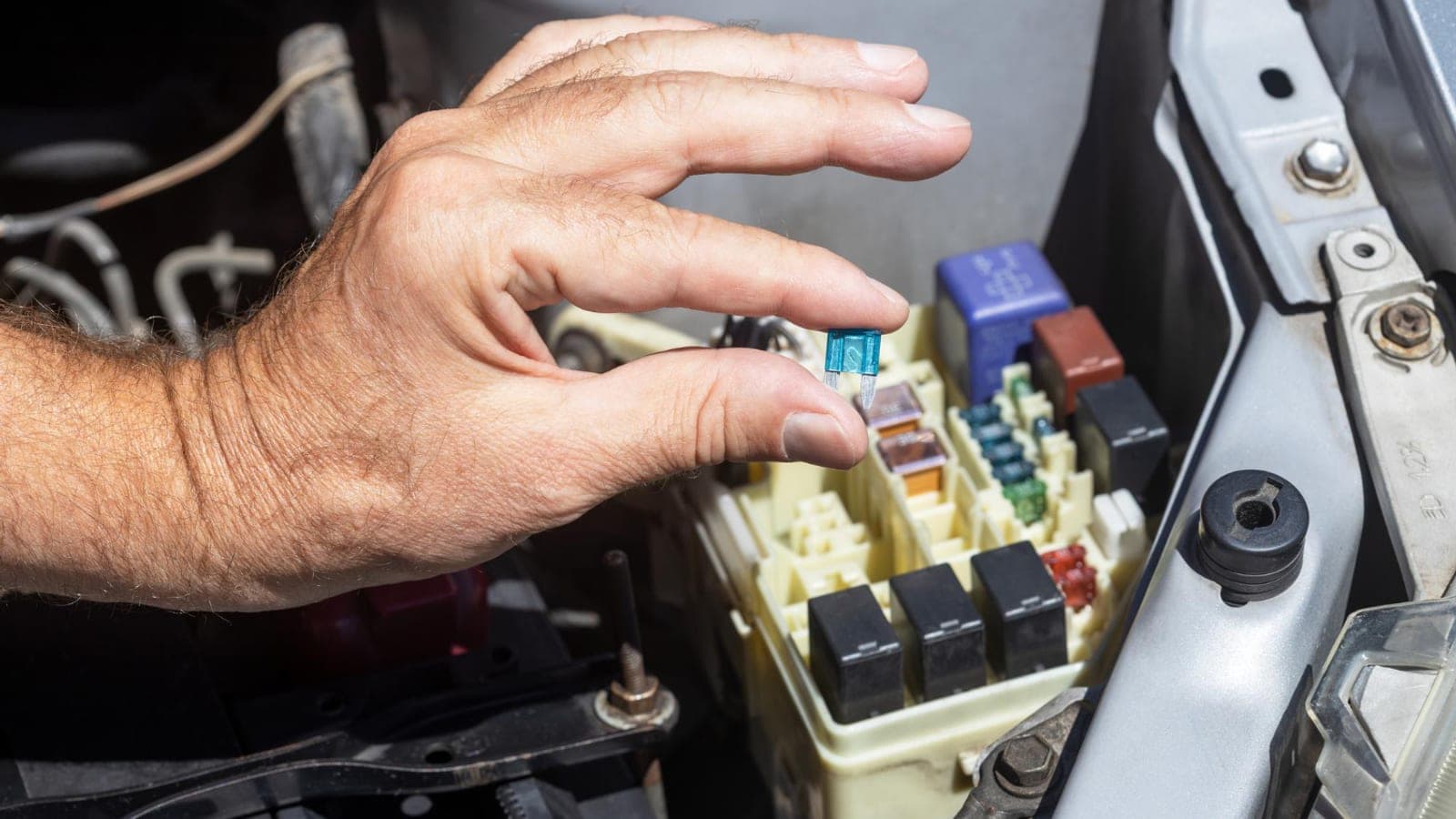
Common Car Electrical Problems and What They Usually Mean
Flickering lights, blown fuses, and dead accessories can all point to different underlying issues. Here's how to think through them.
Cooling System
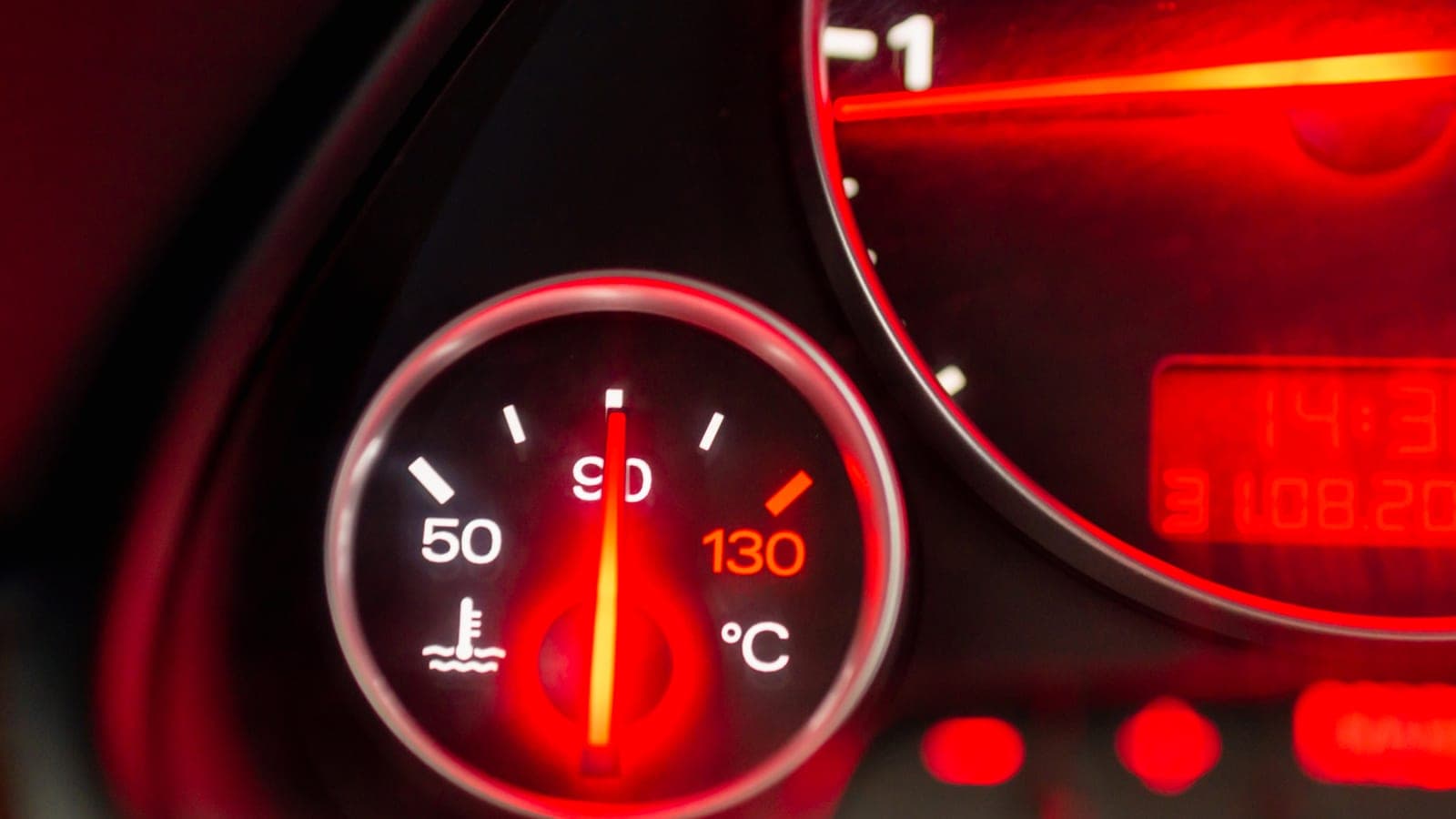
Why Is My Car Overheating? Common Causes and What to Do Next
An overheating engine can turn into serious damage quickly. Here's what commonly causes it and what to do the moment you notice it.
Need Help With This in Detroit?
Call now for a straight answer, or request a free quote and we'll follow up.