Electrical
Common Car Electrical Problems and What They Usually Mean
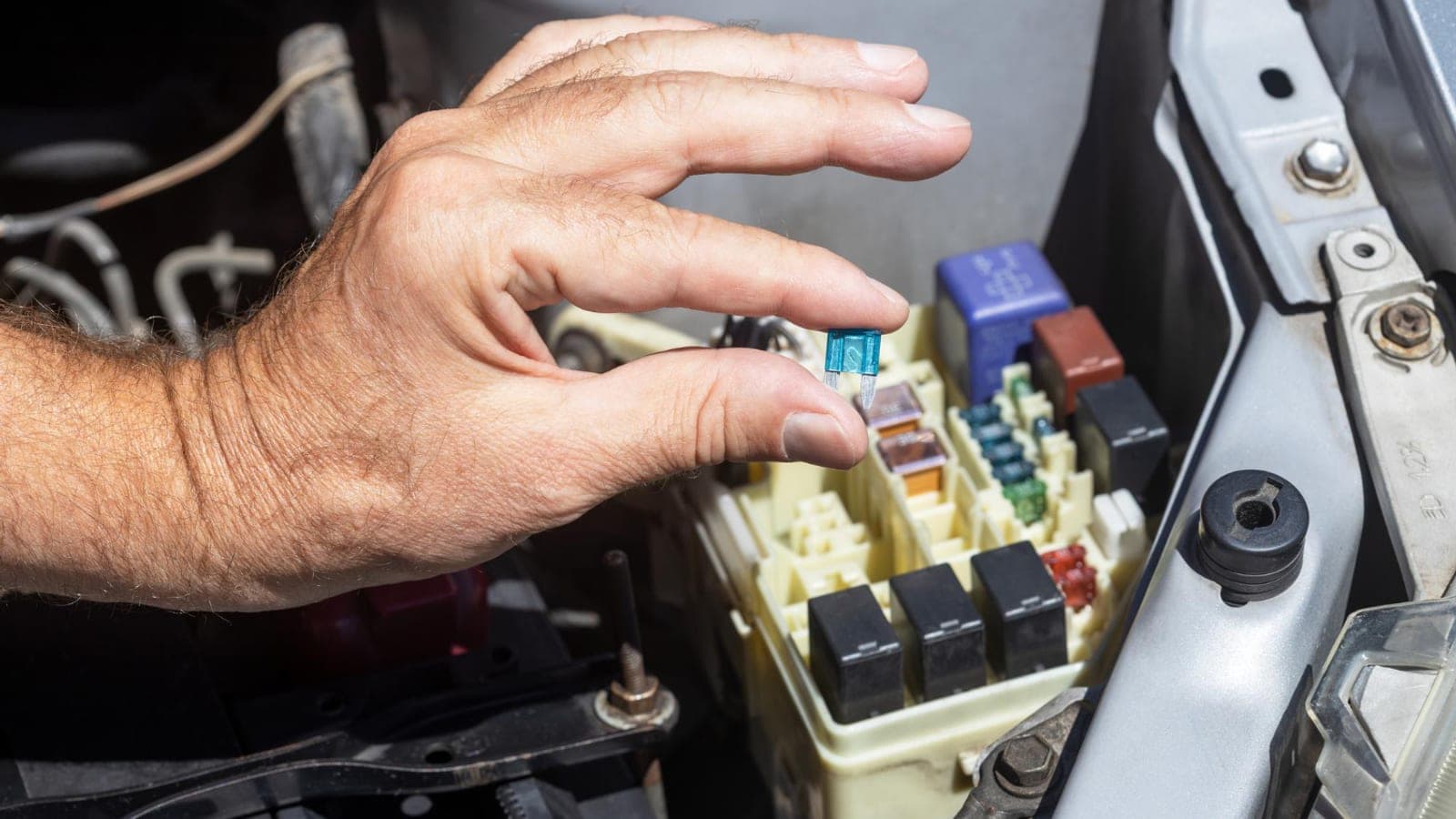
Modern vehicles rely on complex electrical systems to run everything from headlights to the engine's own sensors, which means an electrical problem can show up in a lot of different, sometimes unrelated-looking ways. Flickering lights, blown fuses, and dead power accessories are three of the most common complaints, and while they can share a root cause, they don't always. Understanding the pattern of what's happening is the first step toward a real diagnosis rather than a guess.
Flickering or Dimming Lights
Lights that flicker, dim, or seem inconsistent often point to the charging system or a loose connection rather than the bulb itself. If lights dim specifically when you're idling or accelerating, that pattern can point toward the alternator or battery. If it's isolated to one specific light, a corroded socket or a failing bulb is more likely.
If you're also having trouble starting the car, read our guide on battery, starter, and alternator symptomsFuses That Keep Blowing
A fuse is designed to blow when too much current passes through a circuit, protecting the wiring and components behind it. A fuse that blows once might be a coincidence, but a fuse that blows repeatedly means something in that circuit is drawing too much current, a short, a failing component, or damaged wiring. Simply replacing the fuse over and over without finding the underlying cause isn't a real fix, and can occasionally make the problem worse.
Power Windows, Locks, and Other Accessories
When a power window, lock, or similar accessory stops working, the cause can range from something mechanical, like a worn window regulator, to something purely electrical, like a bad switch, motor, or wiring connection. If multiple accessories on the same side of the vehicle stop working at once, that pattern often points toward a shared wiring issue rather than several unrelated part failures.
Do Electrical Problems Get Worse Over Time?
Often, yes. A connector that's slightly corroded will typically get more corroded, not less, especially with continued exposure to moisture and road salt. A wire with a small amount of chafing against a bracket will usually wear through further rather than stopping on its own. This is part of why an intermittent electrical issue is worth addressing when it's still occasional, rather than waiting for it to become constant or to take out a fuse, module, or component downstream of the original fault.
Aftermarket Add-Ons Can Create New Electrical Issues
Aftermarket accessories, stereos, remote starters, trailer wiring, alarm systems, and similar add-ons, are a common source of electrical gremlins, especially if they weren't installed cleanly. A poorly grounded accessory, a tapped wire that was spliced incorrectly, or a component drawing more current than the circuit was designed for can all cause symptoms that look like they're coming from somewhere else entirely, like a parasitic battery drain overnight or a flickering dashboard light. If your electrical issue started around the same time an accessory was installed, that's a useful detail worth mentioning.
Intermittent Problems Are the Hardest to Pin Down
Electrical issues that come and go are notoriously frustrating, both for drivers and for diagnosis, because the fault isn't always present when the vehicle is being tested. A loose connection that only misbehaves when it's cold, or a wire that only shorts out when it flexes a certain way, can take longer to isolate than a problem that's constant. Being able to describe when the issue happens, cold mornings, after driving over a bump, only when it rains, gives a real head start on tracking it down.
Why Michigan Weather Complicates Electrical Issues
Road salt and moisture are hard on electrical connectors and wiring, especially in areas exposed to the elements underneath the vehicle. Corrosion can create exactly the kind of intermittent, hard-to-pin-down electrical issue described above, working fine most of the time, then acting up after a wet or salty drive. It's a reasonable part of why electrical gremlins seem to show up more often as a Michigan winter goes on.
How We Approach an Electrical Diagnosis
Rather than guessing, we test the actual circuit involved, checking wiring, fuses, connections, and the components themselves, to find the real cause. That includes checking the battery, starter, and charging system when relevant, since a lot of electrical symptoms trace back to the vehicle's core power system.
See what's included in our Auto Electrical Repair serviceIf the issue is tied to a warning light on the dashboard, we start there and work outward from the stored diagnostic information.
Read our guide on common check engine light causesRelated Services
Auto Electrical Repair
Diagnosis and repair of electrical issues, from wiring and fuses to lights and power accessories.
Learn moreStarter & Alternator Repair
Starter and alternator diagnosis and repair for no-start and charging system problems.
Learn moreCheck Engine Light & Diagnostics
Check engine light diagnosis to identify the actual cause before recommending a repair.
Learn moreRelated Questions
Why do multiple electrical issues seem to show up at once?
Sometimes unrelated issues just happen to appear around the same time. Other times, several symptoms trace back to one shared cause, like a weak battery or a corroded ground connection, which is why a full diagnosis matters.
Is it safe to keep replacing a fuse that blows repeatedly?
No, a fuse that blows repeatedly is protecting a circuit from a real underlying problem. Repeatedly replacing it without finding the cause can allow damage to continue.
Can cold weather cause electrical problems on its own?
Cold weather doesn't usually create a new problem, but it can make an existing weak connection, corroded terminal, or marginal battery show symptoms it wasn't showing during warmer months.
Why is my electrical problem hard to reproduce at the shop?
Intermittent electrical issues can depend on temperature, moisture, or specific conditions like driving over a bump. Describing exactly when the issue happens helps narrow down the cause even if it isn't happening at that exact moment.
Can a bad ground connection really cause this many different symptoms?
Yes. A vehicle's electrical system relies on solid ground connections throughout, and a single corroded or loose ground point can affect multiple, seemingly unrelated components at once, which is why tracing the actual circuit matters more than replacing parts individually.
Should I be worried about a single flickering dashboard light?
A single flickering light is worth keeping an eye on, but it isn't necessarily urgent on its own. If it's joined by other symptoms, like dimming elsewhere or trouble starting, that combination is worth having looked at sooner.
Related Articles
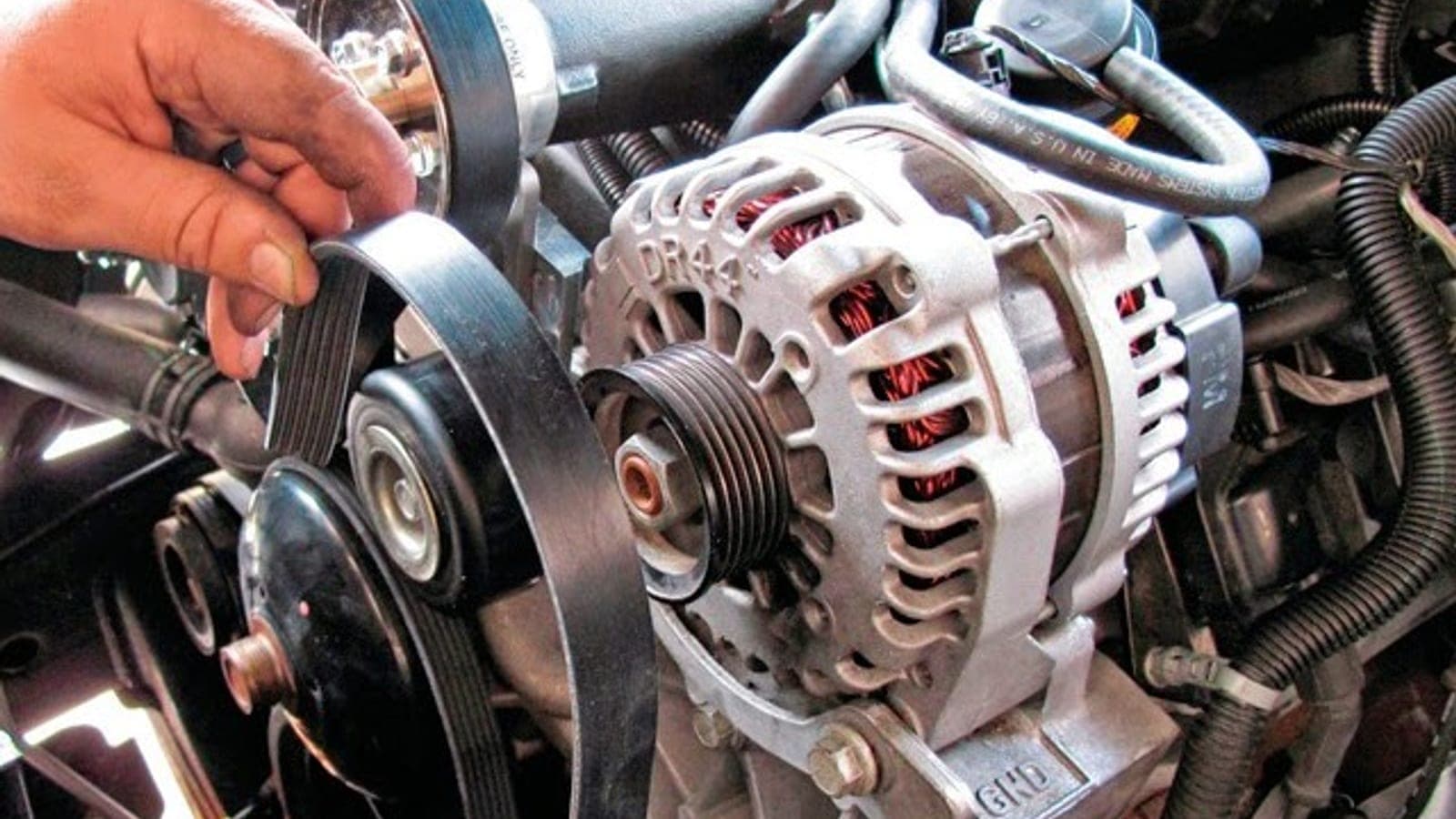
Electrical
Car Won't Start? How to Tell If It's the Battery, Starter, or Alternator
A dead battery, a bad starter, and a failing alternator can all leave you stuck, but the fix is different for each one.
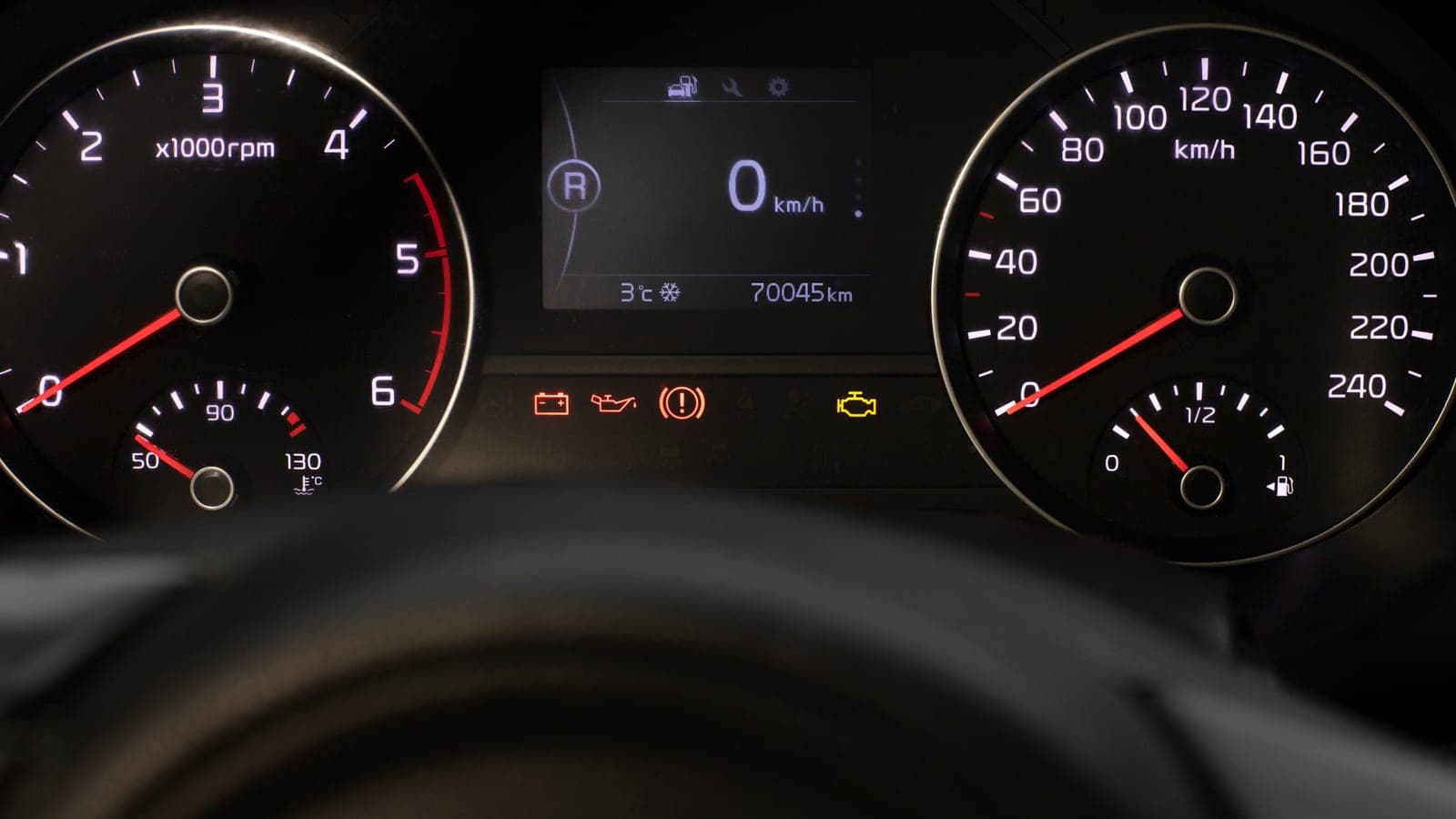
Diagnostics
Why Is My Check Engine Light On? Common Causes Detroit Drivers Should Know
A check engine light can mean a lot of different things. Here's how to tell a minor issue from something that needs attention right away.
Need Help With This in Detroit?
Call now for a straight answer, or request a free quote and we'll follow up.