Electrical
Car Won't Start? How to Tell If It's the Battery, Starter, or Alternator
The sound your car makes when it won't start is the biggest clue to what's actually wrong. A single click, or no sound at all, often points to the battery or a connection issue. A rapid clicking sound usually means the battery doesn't have enough charge to engage the starter. Slow, labored cranking that eventually starts often points to a weak battery or a charging system that isn't keeping it topped up. Understanding which situation you're in can save you from replacing the wrong part.
The Battery: The Most Common Culprit
The battery stores the energy needed to start the engine and power electronics before the alternator takes over. Batteries lose capacity gradually, and cold weather makes a weak battery's limitations obvious almost overnight, a battery that started the car fine in September can struggle by December simply because cold temperatures reduce a battery's effective output. Signs pointing toward the battery include slow cranking, dimming interior lights when you try to start the car, and a battery that's more than a few years old.
The Starter: A Clicking Sound With No Crank
The starter is the small motor that physically turns the engine over when you turn the key or press the start button. When a starter is failing, you may hear a single solid click but the engine doesn't crank at all, or you may need to try the key a few times before it engages. Unlike a weak battery, a failing starter often shows no other symptoms, the lights and radio work fine, but the engine simply doesn't turn over.
The Alternator: Starts Fine, Then Dies Again
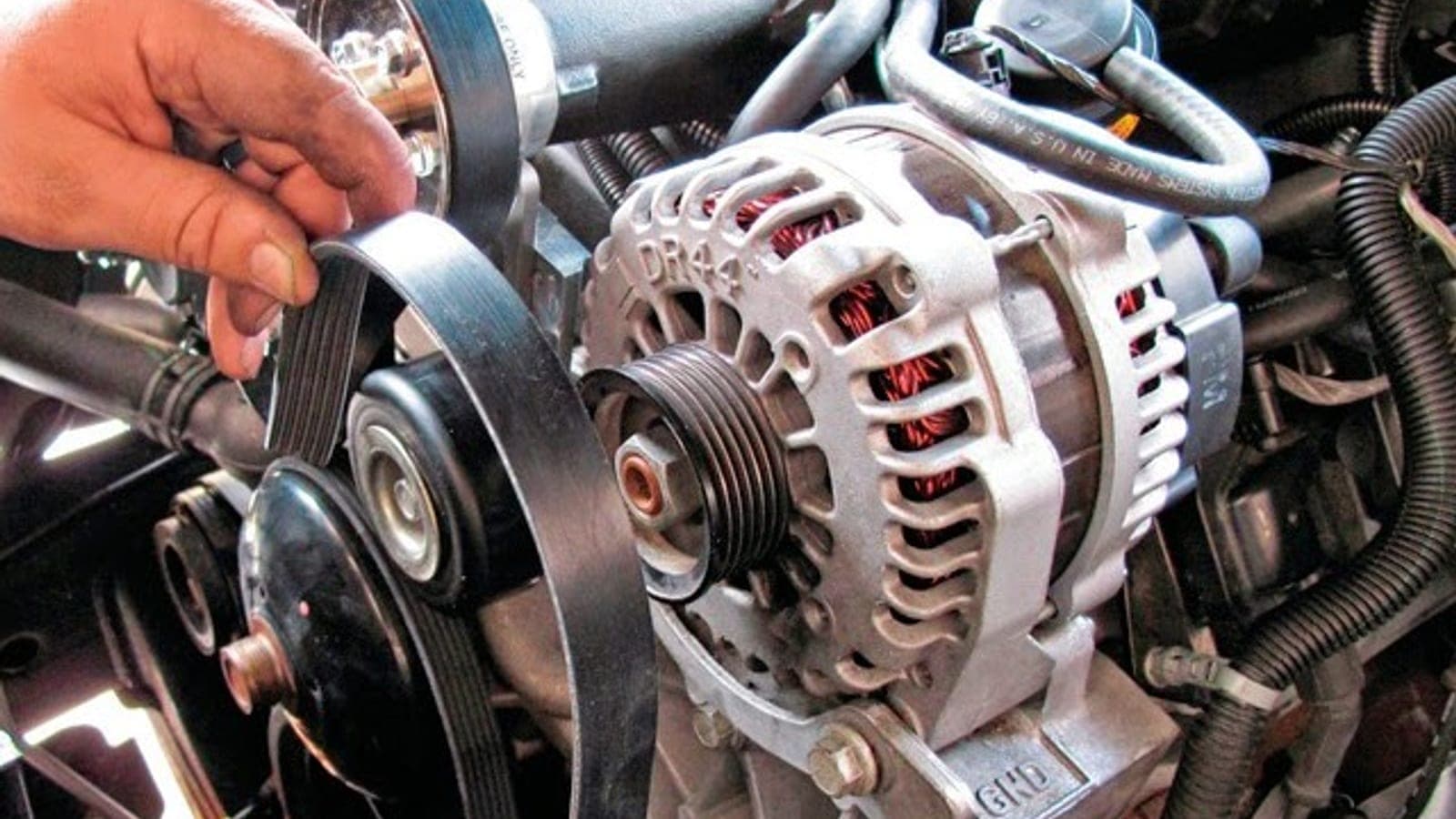
The alternator recharges the battery and powers the vehicle's electrical system while the engine runs. A failing alternator often shows a different pattern than a bad battery or starter: the car might start normally but then stall while driving, or the battery keeps dying repeatedly even after being replaced or jump-started. Dimming headlights or interior lights while driving, rather than just at startup, is a common sign that points toward the charging system rather than the battery itself.
A Quick Way to Compare the Three
- Battery: Slow cranking, dim lights at startup, no sound at all when the battery is very low
- Starter: A single click but no cranking, or inconsistent engagement when turning the key
- Alternator: Starts okay but the battery keeps dying, or lights dim while driving rather than at startup
These patterns are useful for describing the problem, but testing is what actually confirms the cause, several of these symptoms can overlap, and a battery that's simply drained by a failing alternator can look a lot like a battery problem on its own.
What Is a Parasitic Battery Drain?
Sometimes a car won't start not because the battery or starter is failing on its own, but because something is drawing power while the vehicle is off, an interior light that didn't shut off, a failing relay, or an aftermarket accessory that wasn't wired correctly. This is called a parasitic drain, and it shows up as a battery that's fine one day and completely dead the next after sitting for a while, even though it tested fine recently. Finding a parasitic drain takes a bit more diagnostic work than a standard battery test, since it means tracing which circuit is staying active when it shouldn't be.
Should You Jump-Start It or Call for Help?
A jump-start is a reasonable option if the symptoms point toward a simply drained battery, slow cranking, dim lights, and a vehicle that's been sitting for a while or was left with something on. It's not a good idea if you're hearing a single click with no cranking at all, since that pattern points more toward the starter, and a jump-start won't help a starter that isn't engaging. If a jump-start gets the car running but it dies again shortly after, that's a strong sign the charging system, not the battery, is the real issue.
Why This Trips Up Michigan Drivers Specifically
Cold starts demand more from a battery than warm ones, since the engine oil is thicker and the chemical reaction inside the battery itself is slower in cold temperatures. That's why a marginal battery that's been fine all year often finally fails on the first genuinely cold morning of the season. It's a timing coincidence more than a separate problem, but it's a good reason to have your charging system checked heading into winter rather than waiting for a no-start morning.
How We Diagnose a No-Start Condition
Rather than guessing or defaulting to a battery replacement, we test the battery, starter, and charging system individually to confirm which one is actually causing the problem. That includes checking battery voltage and load capacity, testing the starter's draw, and testing alternator output under load.
See what's included in our Starter & Alternator Repair serviceIf the issue turns out to be a wiring or connection problem rather than one of the three main components, we can trace that down as part of the same visit.
Learn more about common car electrical problems and what they usually meanRelated Questions
My car won't start but the lights and radio work, is it still the battery?
Not necessarily. If accessories work but the engine won't crank, it's often the starter rather than the battery, since a starter draws far more current than lights or the radio.
Why does my battery keep dying even after I replace it?
This is a common sign of a charging system issue, such as a failing alternator, rather than the battery itself. A new battery will keep dying if it isn't being recharged properly while you drive.
Can cold weather alone cause a no-start?
Cold temperatures reduce a battery's effective capacity and make the engine harder to turn over, so a battery that's already weak is much more likely to fail on a cold morning than on a warm one.
Is jump-starting my car bad for it?
An occasional jump-start isn't harmful, but if you find yourself needing one repeatedly, that points to an underlying battery or charging system issue that's worth having tested rather than jump-starting repeatedly.
How long should a car battery typically last?
It varies by battery and driving habits rather than one fixed number, and cold climates tend to shorten a battery's effective lifespan compared to milder ones. If your battery is getting older, having it load-tested before it fails completely is a reasonable precaution.
Related Articles
Electrical
Common Car Electrical Problems and What They Usually Mean
Flickering lights, blown fuses, and dead accessories can all point to different underlying issues. Here's how to think through them.
Diagnostics
Why Is My Check Engine Light On? Common Causes Detroit Drivers Should Know
A check engine light can mean a lot of different things. Here's how to tell a minor issue from something that needs attention right away.
Need Help With This in Detroit?
Call now for a straight answer, or request a free quote and we'll follow up.