Transmission
Signs of Transmission Trouble You Shouldn't Ignore
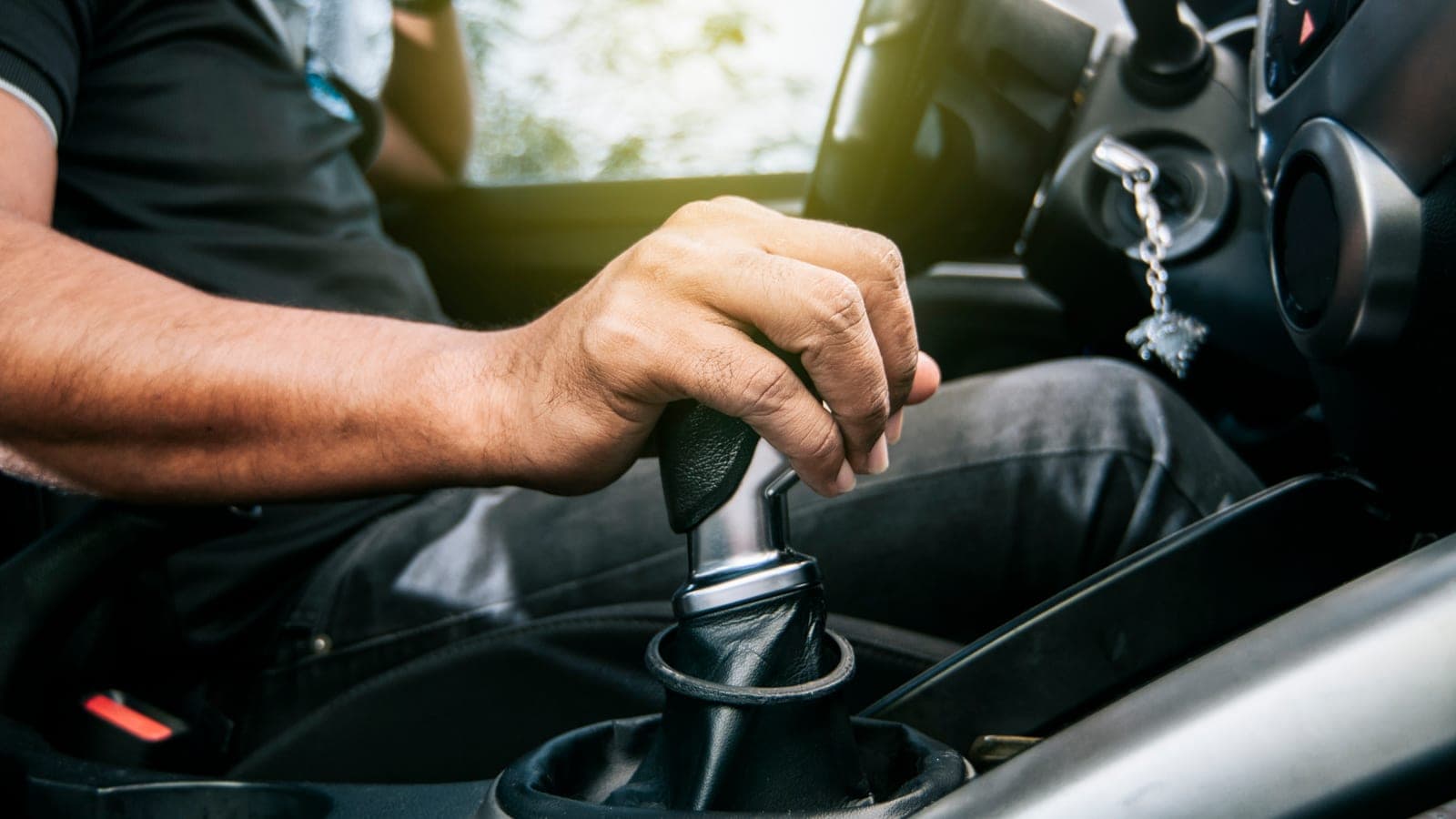
The earliest signs of transmission trouble are usually subtle, a slight hesitation before the car shifts, a gear change that feels rougher than usual, or a delay between pressing the gas and feeling the car respond. These early symptoms are easy to dismiss because the car still drives. But transmission problems tend to get worse, not better, over time, and catching them early is often the difference between a manageable repair and a much larger one.
Shifting Problems: What They Usually Mean
Automatic transmissions are supposed to shift smoothly and predictably. When that changes, it's worth paying attention:
- Delayed engagement when shifting from park into drive or reverse
- Hard or rough shifts between gears
- Slipping, where the engine revs up without a matching increase in speed
- Gears that seem to hunt or shift unpredictably
- Difficulty staying in gear, especially at higher speeds
Manual transmissions show trouble differently, often through a clutch that feels off, grinding when shifting gears, or difficulty getting into a specific gear.
Fluid Leaks and Burning Smells
Transmission fluid plays a critical role in cooling and lubricating the internal components, and low or degraded fluid is one of the most common causes of shifting problems. A reddish or brownish fluid leak under the vehicle is worth investigating quickly, since a transmission that's low on fluid can suffer internal damage surprisingly fast. A burning smell is another red flag, it often points to fluid that's overheated or broken down, which reduces its ability to protect the transmission's internal parts.
Does Every Transmission Problem End in a Rebuild?
Not at all. Many shifting complaints trace back to something far short of a rebuild, low or degraded fluid, a failing sensor that's affecting shift timing, or a mount that's loose and creating a clunk that feels like a shifting problem. A full rebuild or replacement is generally reserved for cases involving internal mechanical damage, which is exactly why a proper diagnosis matters before assuming the worst. Describing exactly what you're feeling, and when it happens, helps narrow down which category the issue falls into.
Automatic, Manual, and CVT: Different Warning Signs
Not every transmission shows trouble the same way. Traditional automatic transmissions tend to show the delayed engagement, slipping, and rough shifting described above. Continuously variable transmissions, or CVTs, don't have traditional "gears" in the same sense, so trouble often shows up as a shuddering or vibrating sensation during acceleration, a whining noise, or the engine revving without a matching increase in speed. Manual transmissions more often show wear through the clutch, a pedal that feels different than it used to, difficulty finding a gear, or grinding during a shift.
Knowing which type of transmission your vehicle has can help you describe what you're noticing more accurately, since "slipping" means something slightly different across the three.
Why Small Symptoms Shouldn't Be Ignored
Transmissions are built with tight tolerances, and issues inside them tend to compound. A hesitation that starts as an occasional annoyance can develop into consistent slipping, and slipping generates heat and wear that makes the underlying problem worse. What might be a fluid service or a relatively contained repair early on can turn into a much larger repair if the transmission continues operating under those conditions for months.
Detroit Driving Conditions and Your Transmission
Stop-and-go city traffic, which is common throughout Detroit and the surrounding area, puts more wear on an automatic transmission than steady highway driving does, since it shifts far more frequently. Towing, hauling, or frequently driving in stop-and-go conditions all add up over time. None of this means a transmission problem is inevitable, it just means routine fluid service and paying attention to how your vehicle shifts are worth taking seriously rather than assuming everything is fine as long as the car keeps moving.
Cold starts add another layer in a Michigan winter. Transmission fluid, like engine oil, thickens in cold temperatures, which can make shifting feel slightly rougher for the first few minutes after starting the car on a cold morning. That's normal to a point, but if rough shifting continues well after the vehicle has warmed up, that's a different situation and worth having checked rather than assumed to be a cold-weather quirk.
What We Check During a Transmission Diagnosis
We start by diagnosing the cause of the shifting issue rather than assuming it requires a full rebuild. That includes checking fluid condition and level, looking for leaks, and, on manual transmissions, inspecting the clutch system. Explaining what we find, and what it does and doesn't require, is part of how we approach every visit.
See what's included in our Transmission Repair serviceIf the shifting issue turns out to be related to the engine's performance rather than the transmission itself, we'll let you know and point you toward the right repair.
Read about common causes behind a check engine lightRelated Services
Transmission Repair
Transmission diagnostics and repair for shifting problems, fluid leaks, and drivability concerns.
Learn moreEngine Repair
Engine diagnostics and repair for performance issues, unusual noises, leaks, and drivability problems.
Learn moreCheck Engine Light & Diagnostics
Check engine light diagnosis to identify the actual cause before recommending a repair.
Learn moreRelated Questions
Can low transmission fluid really cause shifting problems?
Yes. Transmission fluid cools and lubricates the internal components, and low or degraded fluid is one of the most common causes of rough or delayed shifting.
Is a burning smell from my transmission serious?
It's worth taking seriously. A burning smell often means the transmission fluid has overheated or broken down, which reduces its ability to protect internal components.
Do manual transmissions show the same warning signs as automatics?
Not exactly. Manual transmissions more often show trouble through the clutch, grinding gears, or difficulty shifting into a specific gear, rather than the slipping or delayed engagement typical of automatics.
How often should transmission fluid be serviced?
It depends on the vehicle and driving conditions rather than one fixed interval. We can check your fluid condition and let you know what's appropriate for your specific vehicle.
Is it normal for a transmission to shift harder when the engine is cold?
A slightly firmer shift for the first minute or two after a cold start can be normal, since fluid is thicker when cold. If rough shifting continues once the vehicle is fully warmed up, that's a different situation worth having checked.
Does towing damage an automatic transmission?
Regular towing or hauling puts extra strain on a transmission, particularly if it's done often or beyond the vehicle's rated capacity. It doesn't guarantee a problem, but it's a reasonable factor to mention when discussing your vehicle's maintenance needs.
Related Articles
Diagnostics
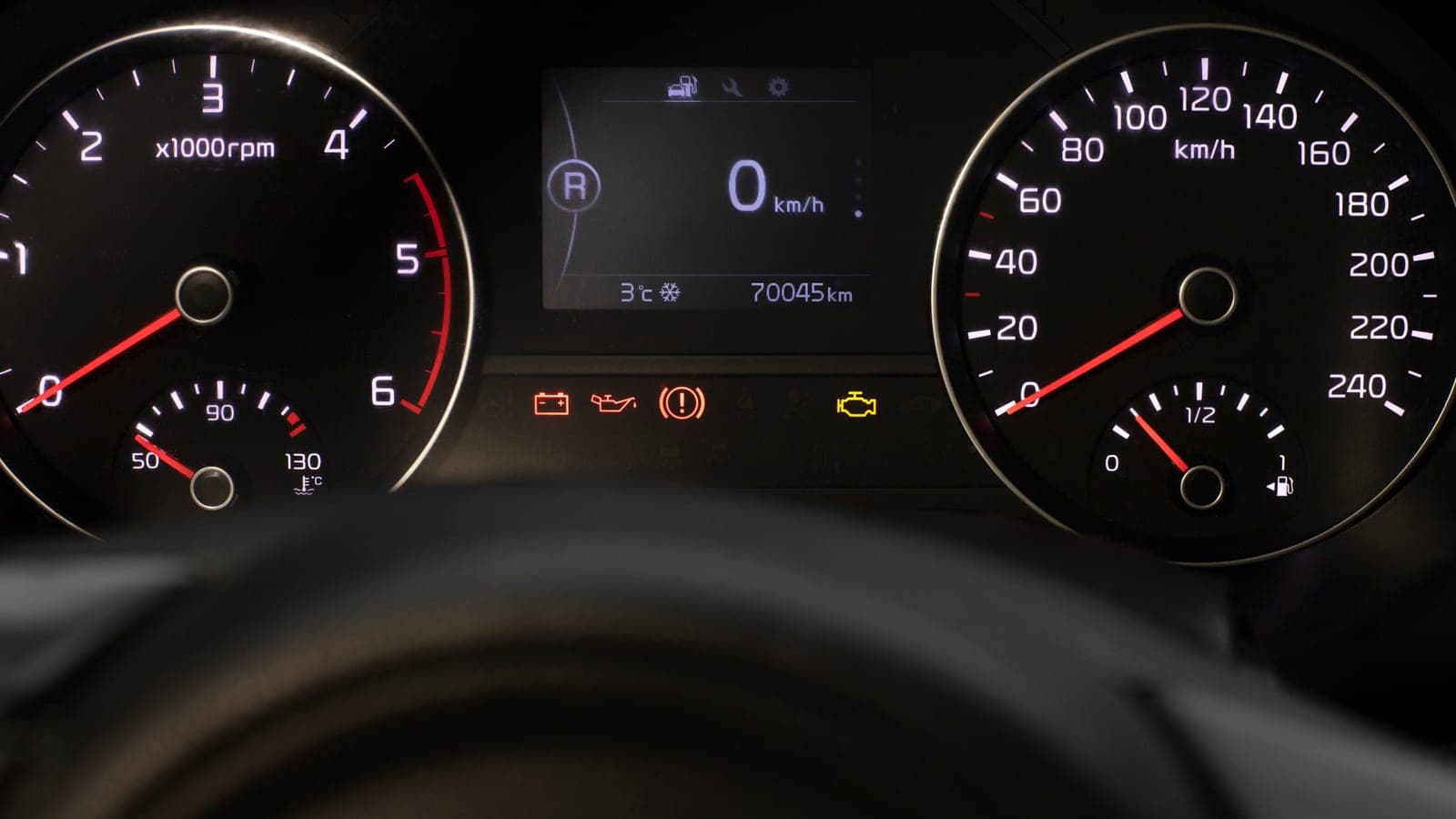
Why Is My Check Engine Light On? Common Causes Detroit Drivers Should Know
A check engine light can mean a lot of different things. Here's how to tell a minor issue from something that needs attention right away.
Cooling System
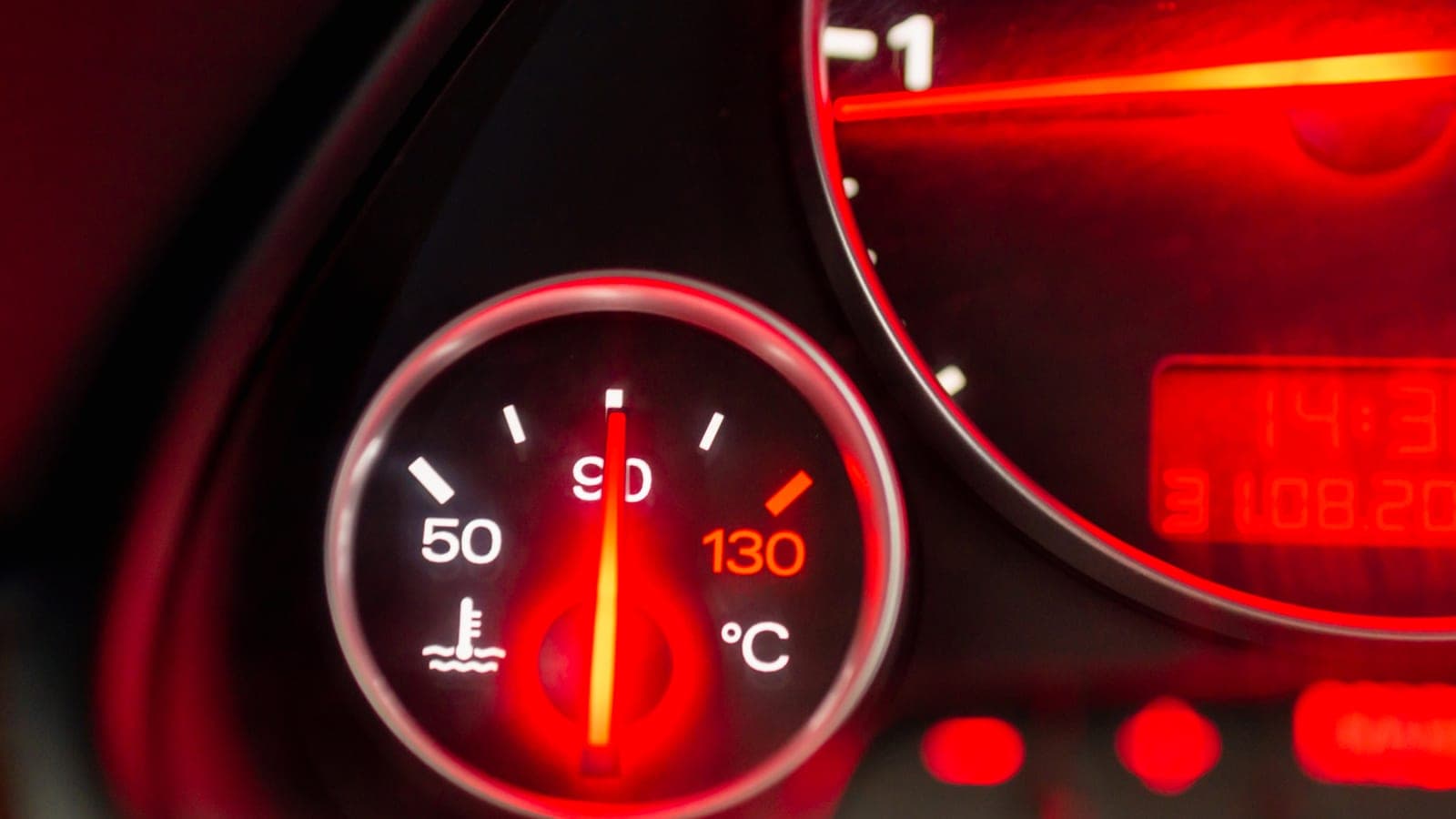
Why Is My Car Overheating? Common Causes and What to Do Next
An overheating engine can turn into serious damage quickly. Here's what commonly causes it and what to do the moment you notice it.
Need Help With This in Detroit?
Call now for a straight answer, or request a free quote and we'll follow up.