Suspension
How Detroit's Potholes and Winter Roads Wreck Your Suspension
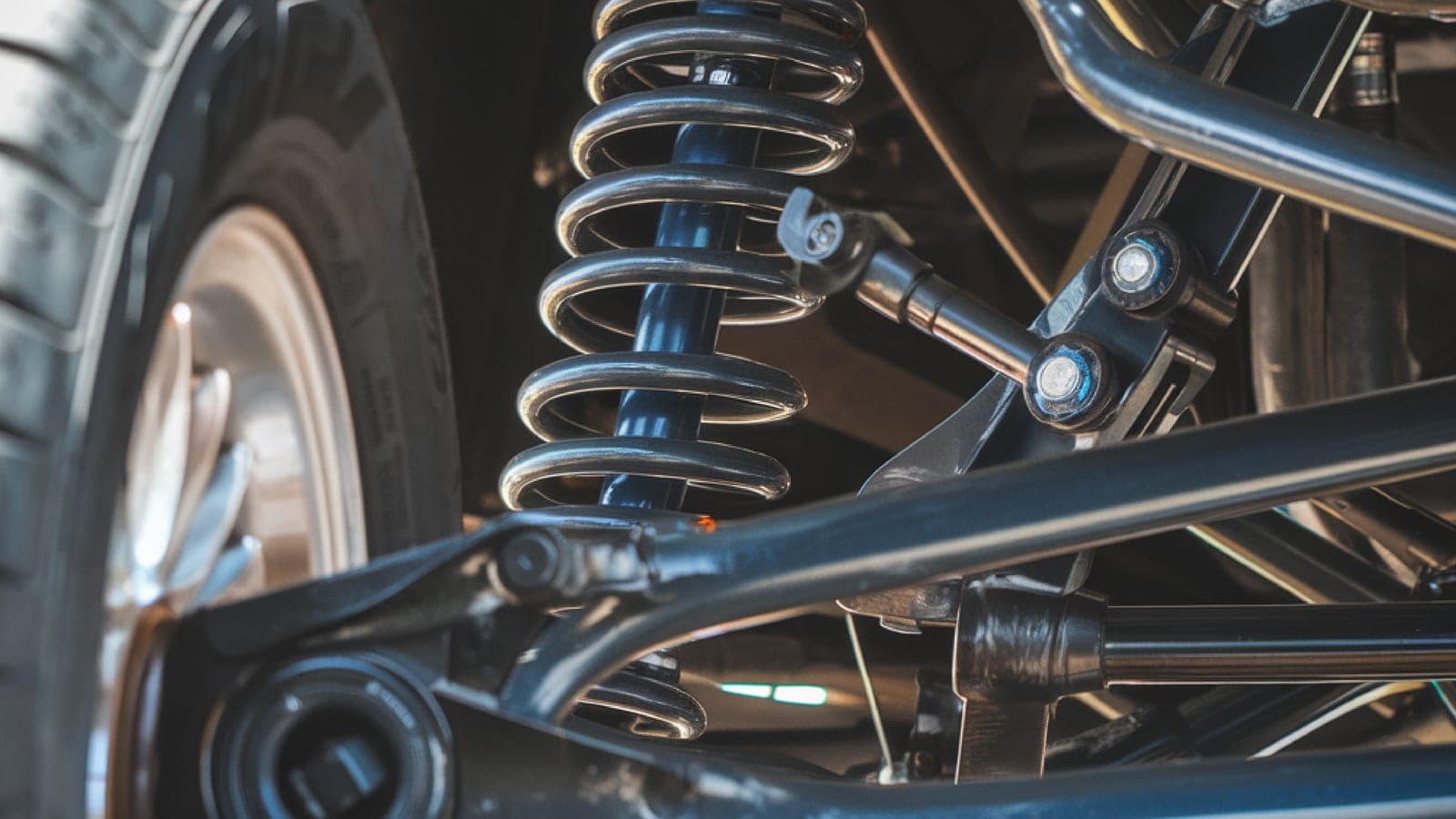
Hitting a pothole sends a sudden, concentrated impact through the tire and into the wheel, suspension, and steering components behind it. A single hard hit can bend a rim, damage a strut, or knock the suspension and alignment out of position, sometimes without any obvious sign until you notice the car pulling or the tires wearing unevenly weeks later. Michigan's freeze-thaw winters make potholes an annual reality, which is part of why suspension wear is such a common topic for drivers in this area.
How a Pothole Impact Actually Damages Your Vehicle
When a wheel drops into a pothole, the impact is absorbed first by the tire and rim, then by the suspension components connected to that wheel, control arms, ball joints, tie rods, struts, and bushings. A hard enough hit can bend a rim, damage a strut or shock, or shift these components just enough to throw off the vehicle's alignment, even if nothing looks visibly broken. Smaller, repeated impacts add up too, gradually wearing bushings and joints faster than they would on smoother roads.
Why Michigan Roads Are Particularly Tough on Suspensions
Michigan's winter freeze-thaw cycle is a major reason potholes form in the first place: water seeps into small cracks in the pavement, freezes and expands, and gradually breaks the road surface apart. On top of pothole impacts, winter road salt accelerates corrosion on metal suspension components like tie rod ends, control arm bushings, and strut mounts. The combination of physical impacts and corrosion is why Detroit-area vehicles often need more frequent suspension attention than the same vehicle might in a milder climate.
Signs Your Suspension Took a Hit
- A bouncy, rough, or unstable ride compared to how the car normally feels
- Clunking or knocking noises over bumps
- The vehicle pulling or leaning to one side
- Uneven tire wear that develops faster than expected
- The vehicle nose-diving noticeably when braking
These symptoms don't always show up immediately after hitting a pothole. Sometimes a component is weakened by the impact and fails gradually over the following weeks, which is why it's worth getting checked even if the car seems to be driving fine right after a hard hit.
It's Not Just Suspension, Rims and Tires Take a Hit Too
A hard pothole impact often damages more than the suspension. The tire's sidewall can bulge or develop a weak spot from the impact, and the rim itself can bend or crack, especially on lower-profile tires with less cushioning between the road and the wheel. A bent rim can cause a subtle vibration that's easy to mistake for an alignment or balance issue, and a damaged sidewall can fail suddenly later even if it looks fine right after the impact. It's worth having tires and rims looked at along with the suspension after a hard hit, rather than assuming the impact only affected one part of the vehicle.
A Few Ways to Reduce Pothole Damage
You can't avoid every pothole, especially ones hidden under standing water or revealed suddenly in traffic, but a few habits reduce how hard the impacts hit. Keeping tires properly inflated helps them absorb impact more effectively, an underinflated tire is more prone to rim damage on a hard hit. Slowing down when you see a rough patch of road ahead, and gripping the wheel firmly rather than swerving suddenly, also reduces the severity of an impact and helps you keep control if you do hit one.
Suspension and Alignment Are Closely Connected
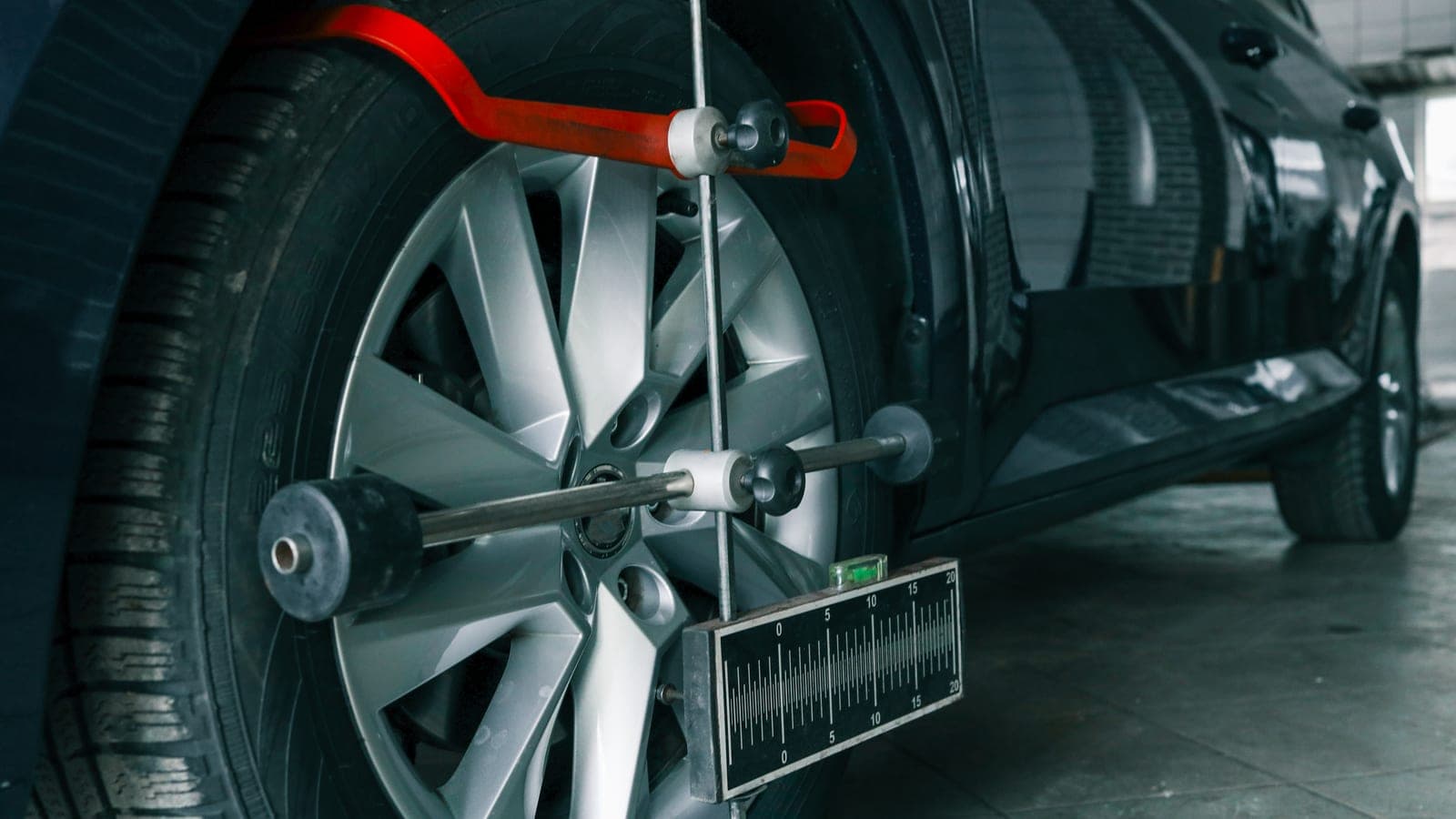
Suspension damage and alignment issues often go hand in hand. A bent or shifted suspension component changes the angles your wheels sit at, which is exactly what alignment measures and corrects. That's why an alignment performed on top of a damaged suspension component won't hold, the underlying part needs to be repaired first, and then the alignment can be corrected to specification.
Learn more in our guide on why a car pulls to one sideWhat to Do After Hitting a Bad Pothole
If you hit a pothole hard enough to notice it, it's worth paying closer attention to how the car drives over the next few days, any pulling, new noise, or vibration is worth having checked. Even if nothing feels different right away, a quick suspension inspection can catch a weakened component before it fails.
How We Inspect Suspension After Pothole Damage
We check shocks and struts, control arms and bushings, ball joints, sway bar links, and overall ride height to identify which components, if any, were affected. If suspension or steering components need attention, we'll flag whether an alignment is needed as part of the same repair.
See what's included in our Suspension Repair serviceRelated Services
Suspension Repair
Suspension inspection and repair for a smoother ride and more predictable handling.
Learn moreWheel Alignment
Wheel alignment service to correct pulling, uneven tire wear, and off-center steering.
Learn moreSteering Repair
Steering system diagnosis and repair for looseness, noise, and hard-to-control steering.
Learn moreRelated Questions
I hit a pothole and nothing feels wrong, do I still need it checked?
It's still worth a quick inspection. Some suspension damage doesn't show obvious symptoms right away and can develop into a bigger issue, like uneven tire wear or a failed component, over the following weeks.
Can a pothole damage my tires as well as my suspension?
Yes. A hard impact can damage a tire's sidewall or a rim in addition to the suspension. We focus on mechanical repair and can flag tire damage if we see it during an inspection.
Does hitting a pothole always throw off my alignment?
Not always, but it's one of the most common causes of sudden alignment issues. A hard enough impact can shift suspension or steering components just enough to change your wheel angles.
Why do potholes seem worse in Detroit every spring?
Michigan's winter freeze-thaw cycle causes water in small pavement cracks to freeze and expand repeatedly, which breaks the road surface apart and tends to create more potholes heading into spring.
How soon after hitting a pothole should I get checked?
If you notice any new noise, pulling, or vibration, it's worth scheduling an inspection within the next week or two rather than waiting. If the impact felt severe, sooner is better, even before symptoms appear.
Can worn suspension components fail without a pothole impact?
Yes. While pothole impacts accelerate wear, suspension bushings, ball joints, and mounts also wear gradually over time and mileage even on smooth roads. Road salt exposure in Michigan winters can speed that gradual corrosion along as well.
Related Articles
Alignment
Why Is My Car Pulling to One Side? Wheel Alignment Explained
Pulling to one side is one of the clearest signs something needs attention, but it isn't always your alignment. Here's how to tell.
Brakes
Grinding or Squealing Brakes? Here's What It Means and What to Do
Squealing and grinding are two very different warning signs. Here's what each one usually means, and how urgent it is.
Need Help With This in Detroit?
Call now for a straight answer, or request a free quote and we'll follow up.