Brakes
Grinding or Squealing Brakes? Here's What It Means and What to Do
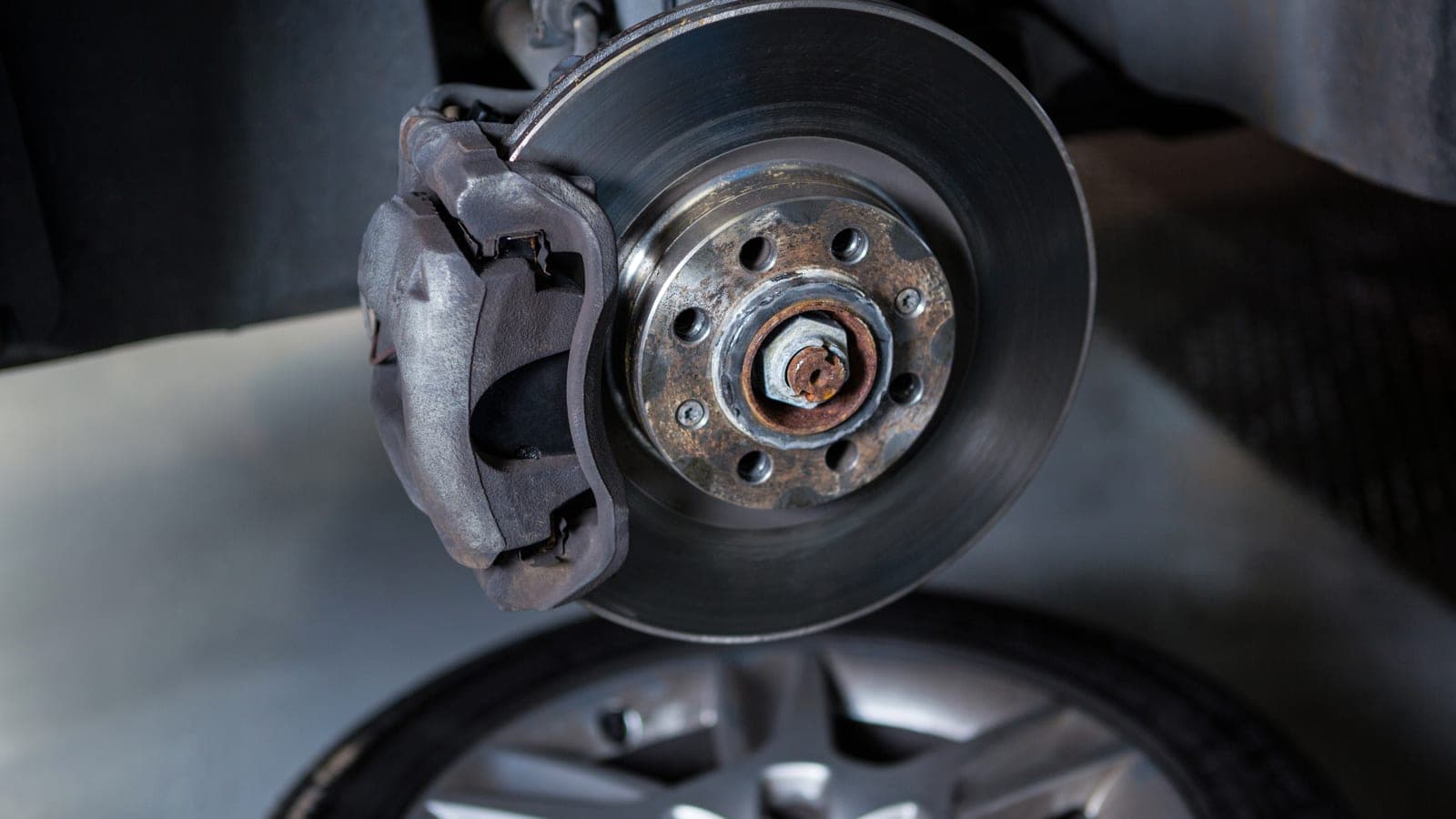
A high-pitched squeal usually means your brake pads have worn down to their built-in wear indicator and are telling you it's time for a replacement soon. A grinding noise is more serious, it often means the pads are already worn through and metal is contacting metal, which can damage your rotors. The type of noise you're hearing is actually a useful clue, and paying attention to it early can turn an inexpensive pad replacement into the whole story, instead of a bigger repair.
Squealing Brakes: An Early Warning, Not an Emergency (Yet)
Most brake pads include a small metal wear indicator that's designed to touch the rotor and create a squeal once the pad material gets thin. It's an intentional, built-in warning system. If your brakes squeal only occasionally, especially first thing in the morning or after the car has been sitting in damp weather, it may just be surface rust or moisture on the rotor that clears up after a few stops. But a squeal that's consistent, or gets louder over time, is a sign that a brake inspection shouldn't wait too long.
Grinding Brakes: Time to Get It Looked At Promptly
A grinding or scraping sound when braking usually means the pad material is gone and the metal backing plate is now grinding directly against the rotor. This can happen faster than expected once a pad crosses that threshold. Continuing to drive on grinding brakes can damage the rotors badly enough that they need to be replaced rather than resurfaced, turning a routine pad job into a larger repair. If you're hearing grinding, it's worth having it inspected soon rather than waiting.
Other Brake Warning Signs Worth Knowing
Noise isn't the only way brakes tell you something's wrong. A few other signs are just as important to pay attention to:
- A soft, spongy, or low brake pedal that sinks further than usual
- Vibration or pulsing through the pedal or steering wheel when braking
- The vehicle pulling to one side when you brake
- A brake warning light on the dashboard
- Longer stopping distances than you're used to
A pulsing pedal often points to a warped rotor rather than the pads themselves, while pulling to one side during braking can point to an issue on just one wheel, a stuck caliper, for example, rather than the whole system.
If pulling happens even when you're not braking, read our guide on why a car pulls to one sideDo Rotors Always Need to Be Replaced Too?
Not necessarily. If rotors are caught early and are still within a safe thickness, they can sometimes be resurfaced rather than replaced, which is a less expensive option. But rotors that have been driven on while grinding, or that have worn below their minimum safe thickness, usually need to be replaced rather than resurfaced. This is one more reason grinding brakes are worth addressing quickly, the longer metal-on-metal contact continues, the more likely it is that resurfacing is no longer an option.
How Long Do Brake Pads Actually Last?
There's no single mileage number that applies to every vehicle, because brake wear depends heavily on how and where you drive. Highway-heavy driving with fewer stops is relatively easy on brakes, since the vehicle spends less time actively slowing down. Stop-and-go city driving, frequent short trips, and carrying extra weight all wear pads faster, since the brakes are working harder and more often per mile driven. Driving style matters too, frequent hard braking wears pads down noticeably faster than smooth, early braking.
This is part of why a mileage-based estimate can be misleading. Two identical vehicles driven differently can need brake service at very different intervals. An inspection is a far more reliable way to know where your specific brakes actually stand than guessing based on mileage alone.
Why Brakes Wear Differently in Detroit
How and where you drive changes how quickly brakes wear. Stop-and-go city driving, frequent short trips, and winter road salt all add up. Salt and moisture can accelerate corrosion on rotors and calipers over a Michigan winter, which is part of why a fall or early-spring brake inspection is a reasonable habit for Detroit drivers, even if nothing sounds wrong yet.
What a Brake Inspection Actually Covers
A proper brake inspection looks at more than just pad thickness. At 7 Mile and Hoover, that means checking the pads and rotors, brake fluid condition, calipers and hardware, brake lines and hoses, and the parking brake, so if something else is contributing to the noise or the feel of the pedal, it gets caught at the same time instead of being missed.
See what's included in our Brake Repair serviceBecause worn suspension or alignment issues can sometimes mimic or worsen brake symptoms, like pulling or vibration, we'll flag those too if we find them during the inspection.
Related Services
Brake Repair
Brake inspections, pad and rotor service, and brake system repair to keep your vehicle stopping safely.
Learn moreSuspension Repair
Suspension inspection and repair for a smoother ride and more predictable handling.
Learn moreWheel Alignment
Wheel alignment service to correct pulling, uneven tire wear, and off-center steering.
Learn moreRelated Questions
Is it safe to drive with squealing brakes?
Occasional squealing, especially in damp weather, isn't necessarily an emergency, but consistent or worsening squealing means the pads are wearing down and should be inspected soon.
Is it safe to drive with grinding brakes?
Grinding usually means the pad material is already gone. It's best to have it inspected promptly to avoid further rotor damage and reduced stopping power.
How often should brake pads be replaced?
It varies widely based on driving style and conditions rather than a fixed mileage number. City driving with frequent stops wears pads faster than highway driving. An inspection is the most reliable way to know where your pads actually stand.
Why do my brakes feel different in the rain or after a car wash?
A layer of surface moisture or light surface rust can briefly change how brakes feel or sound, especially after sitting. This usually clears up within the first few stops. If it doesn't clear up, or if it's accompanied by grinding, it's worth having checked.
Do all four brakes wear out at the same rate?
Not usually. Front brakes typically handle more of the vehicle's stopping force and often wear faster than rear brakes, though this varies by vehicle. That's part of why we inspect all four corners rather than assuming they're even.
Can bad brakes affect my steering?
A stuck caliper or uneven brake wear on one side can cause the vehicle to pull during braking, which can feel similar to a steering issue. A full inspection can tell the two apart.
Related Articles
Alignment
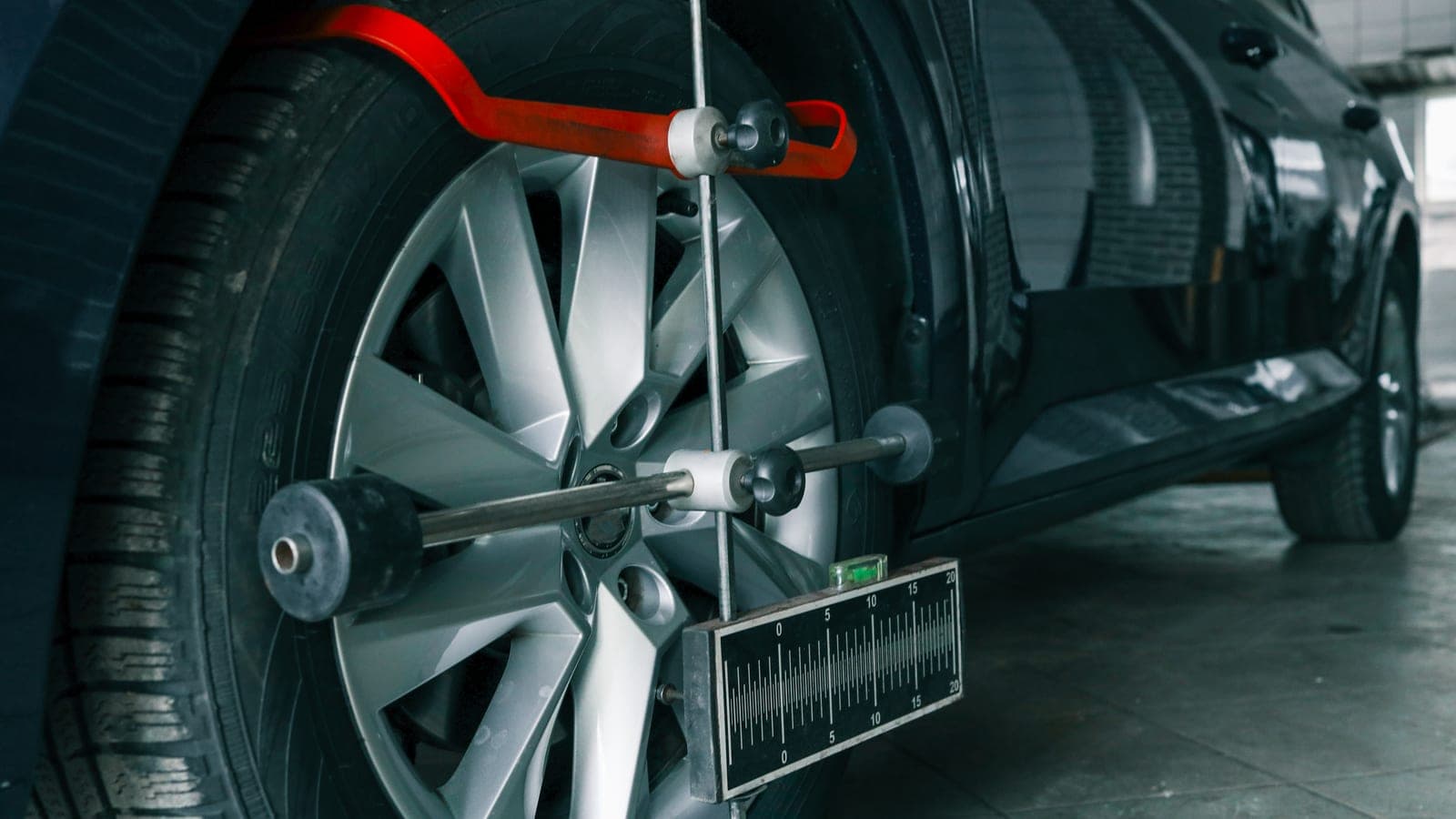
Why Is My Car Pulling to One Side? Wheel Alignment Explained
Pulling to one side is one of the clearest signs something needs attention, but it isn't always your alignment. Here's how to tell.
Suspension
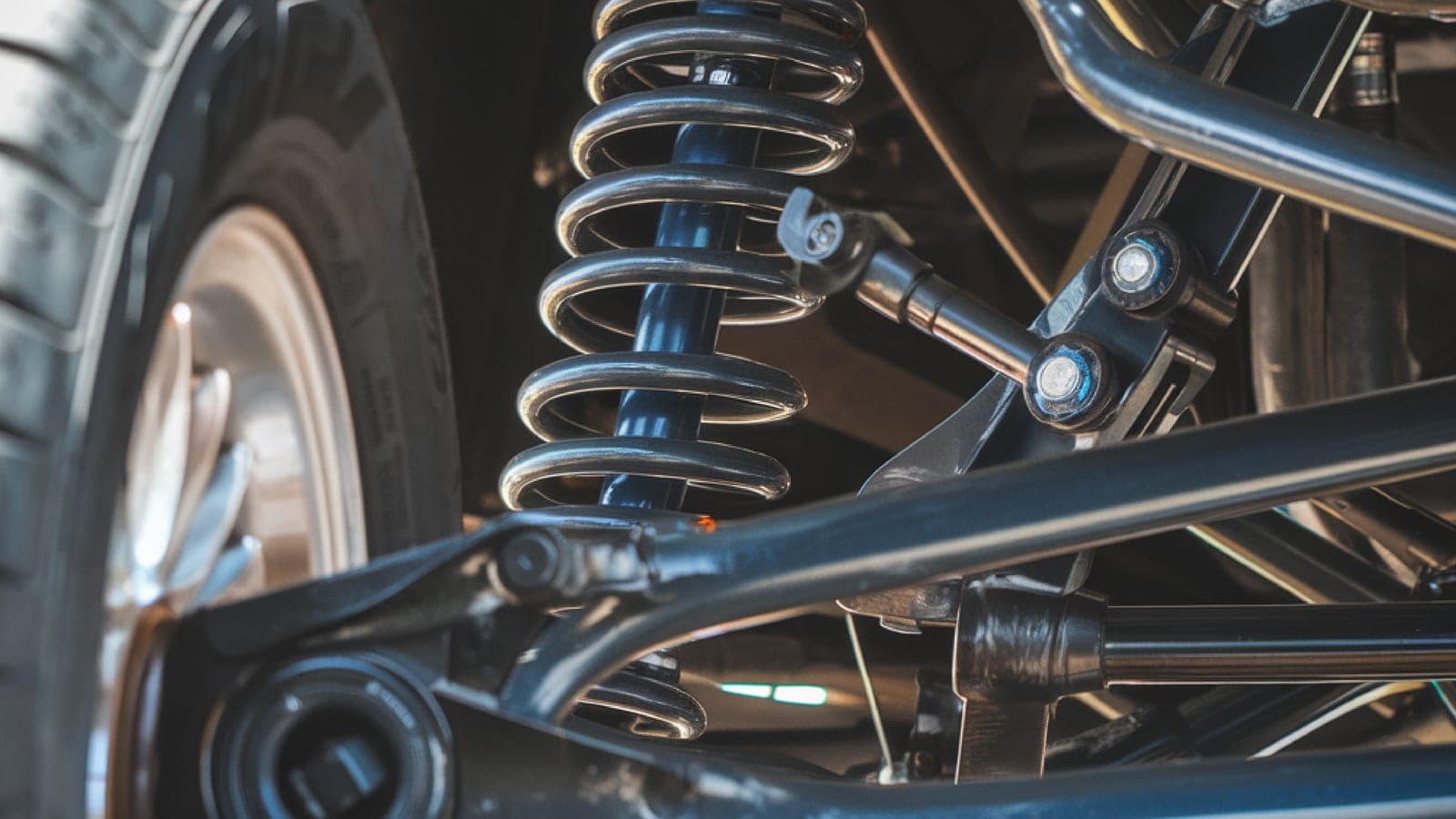
How Detroit's Potholes and Winter Roads Wreck Your Suspension
Freeze-thaw cycles and pothole season are genuinely hard on a vehicle's suspension. Here's what actually happens underneath your car.
Need Help With This in Detroit?
Call now for a straight answer, or request a free quote and we'll follow up.