Alignment
Why Is My Car Pulling to One Side? Wheel Alignment Explained
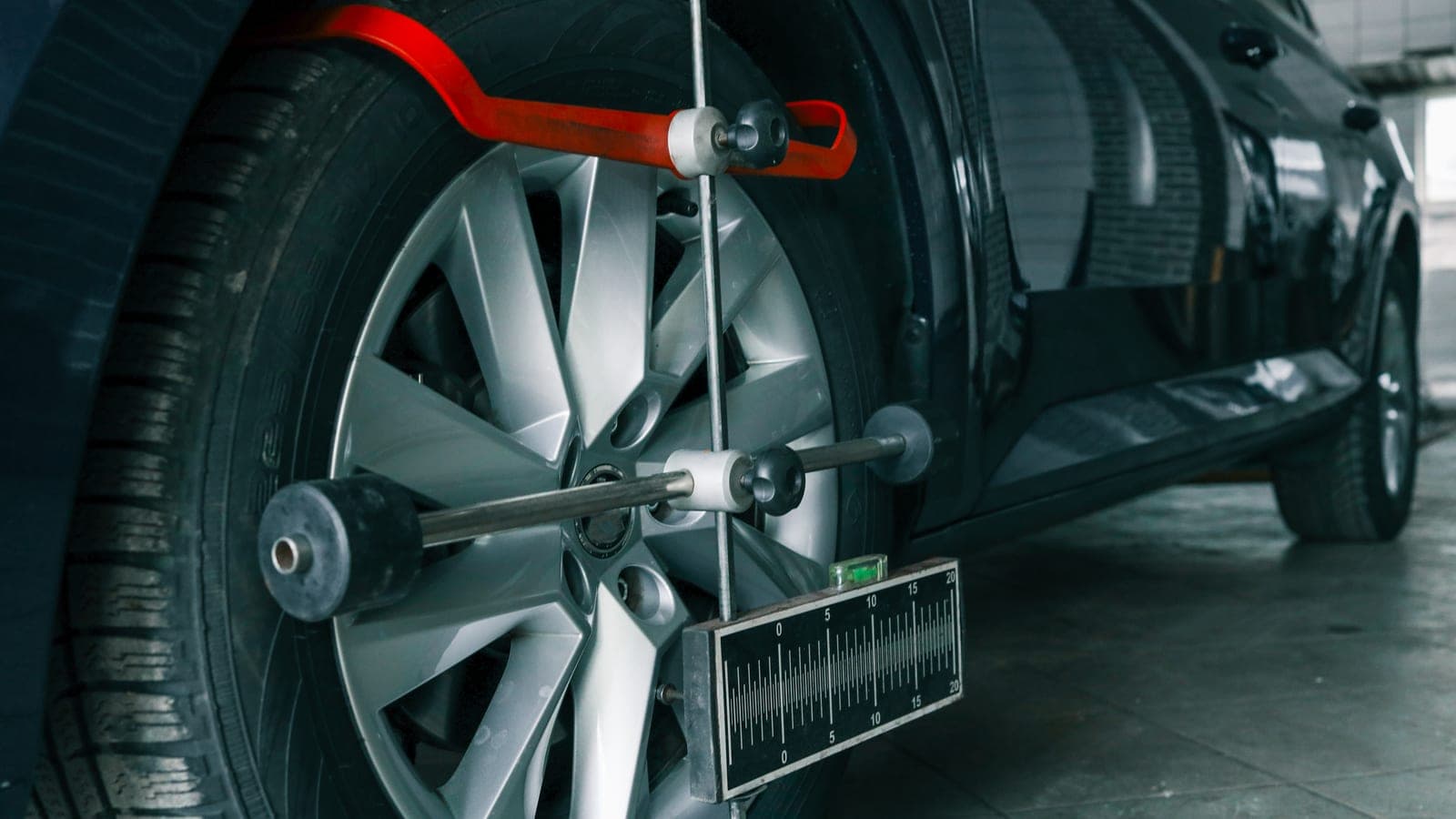
A car that pulls to one side while driving straight on a flat road is most often caused by a wheel alignment that's out of specification, but it isn't the only possible cause. Uneven tire pressure, a dragging brake caliper, and worn suspension components can all produce a similar pulling sensation. Paying attention to when the pulling happens can help narrow down which one you're actually dealing with.
Is It Always Obvious When Alignment Is Off?
Not always. A small alignment deviation might not produce a noticeable pull at all, but it can still cause faster tire wear over time simply because the tires aren't meeting the road at the correct angle. This is one of the reasons alignment is often recommended alongside new tires or after suspension work, even without an obvious pulling complaint, catching a mild deviation early protects a brand-new set of tires from wearing unevenly before their time.
What Wheel Alignment Actually Adjusts
Alignment refers to the angles your wheels sit at relative to the road and to each other, measurements like camber, caster, and toe. When these angles are within specification, the vehicle tracks straight with even, minimal effort at the steering wheel. When they're off, even slightly, the car can pull toward one side, and the tires start wearing unevenly because they're not making contact with the road the way they're supposed to.
Does Pulling Feel Different Depending on the Cause?
It often does, and paying attention to the details can help narrow things down before your vehicle is even inspected. A steady, consistent pull that's present the moment you start driving usually points toward alignment. A pull that only appears when braking points more toward the brake system. A pull that changes depending on speed, or that's accompanied by vibration, can point toward a tire or wheel balance issue instead. None of these patterns are a substitute for an inspection, but they're useful details to mention when you call.
Common Causes of Misalignment
- Hitting a pothole, curb, or other hard impact
- Worn suspension or steering components, such as tie rod ends or control arm bushings
- Recent suspension work that wasn't followed by an alignment check
- Normal wear over time, especially on rougher roads
Signs Your Alignment May Be Off
- The vehicle pulls to one side while driving straight on a flat road
- The steering wheel sits off-center when you're driving straight
- Uneven or rapid tire wear, especially on the inner or outer edge
- You recently hit a pothole or curb, or had suspension work done
When Pulling Isn't an Alignment Issue
Alignment isn't the only explanation for pulling, which is why a proper inspection matters before assuming what's wrong:
- Uneven tire pressure between the left and right side can cause a mild pull
- A brake caliper that's dragging or sticking on one side can pull the vehicle during braking specifically
- Worn or damaged suspension components can cause pulling that alignment alone won't fix
If pulling only happens when you brake, the cause is more likely in the brake system than the alignment.
Read our guide on grinding or squealing brakesA Quick Check Before You Assume It's Alignment
Before assuming the worst, it's worth doing a simple check: look at your tire pressure across all four tires, ideally when the tires are cold. Tire pressure is printed on a sticker inside the driver's door frame, not on the tire itself. If one tire is noticeably lower than the others, that alone can cause a mild pull, and it's a five-minute check that costs nothing. If pressure is even across all four tires and the pulling continues, alignment or a suspension component becomes the more likely explanation.
Front-Wheel, Rear-Wheel, and All-Wheel Drive: Does It Matter?
Alignment applies to every vehicle regardless of drivetrain, but where problems tend to show up first can differ. Front-wheel-drive vehicles, which make up most of what's on the road, put more alignment-sensitive stress on the front end, since it handles steering, braking, and power delivery all at once. All-wheel-drive vehicles can be more sensitive to even small alignment differences between wheels, since the drivetrain expects all four wheels to be turning at consistent, coordinated rates. This is part of why AWD owners sometimes notice symptoms, like unusual drivetrain noise, a bit sooner than they might in a front-wheel-drive car with the same degree of misalignment.
What Your Tire Wear Pattern Can Tell You
Tire wear patterns can offer a clue even before an alignment measurement confirms anything. Wear concentrated on the inner edge of the tread often points to excess negative camber, while wear on the outer edge can point the other way. Wear across the whole tread but with a scalloped or feathered feel when you run your hand across it often points to a toe misalignment rather than camber. These patterns aren't a substitute for a real alignment check, but they can help confirm that what you're feeling behind the wheel lines up with what's happening at the tire.
Why Alignment Issues Are Common in Detroit
Detroit's pothole season and Michigan's freeze-thaw winters are a well-known combination for knocking vehicles out of alignment. Even a moderate pothole impact can shift the suspension components that alignment depends on, and repeated smaller impacts over a Michigan winter add up as well.
Learn more about how potholes and winter roads affect your suspensionWhat an Alignment Service Includes
We measure and adjust your alignment angles to manufacturer specification, check for related suspension or steering wear that might be causing or contributing to the issue, and inspect tire wear patterns for additional clues. If a worn component is found, we'll flag it, since correcting alignment on top of a damaged part won't hold.
See what's included in our Wheel Alignment serviceRelated Services
Wheel Alignment
Wheel alignment service to correct pulling, uneven tire wear, and off-center steering.
Learn moreSuspension Repair
Suspension inspection and repair for a smoother ride and more predictable handling.
Learn moreBrake Repair
Brake inspections, pad and rotor service, and brake system repair to keep your vehicle stopping safely.
Learn moreRelated Questions
How do I know if it's my alignment or my tires?
Uneven tire wear can be a symptom of misalignment rather than a separate cause. If your tire pressure is even across all four tires and the car still pulls, alignment or a suspension component is the more likely explanation.
Does hitting one pothole really require a full alignment?
It can. Even a single hard impact can shift suspension components enough to throw off your alignment angles, especially if you notice pulling or off-center steering afterward.
Can I just get an alignment without an inspection?
You can, but if a suspension or steering component is worn or damaged, the alignment won't hold. That's why we check related components as part of the alignment service.
Will an alignment fix tire wear that's already happened?
Alignment corrects the cause going forward, but tire wear that's already occurred won't reverse on its own. Addressing the alignment sooner helps limit how much further wear occurs.
Related Articles
Suspension
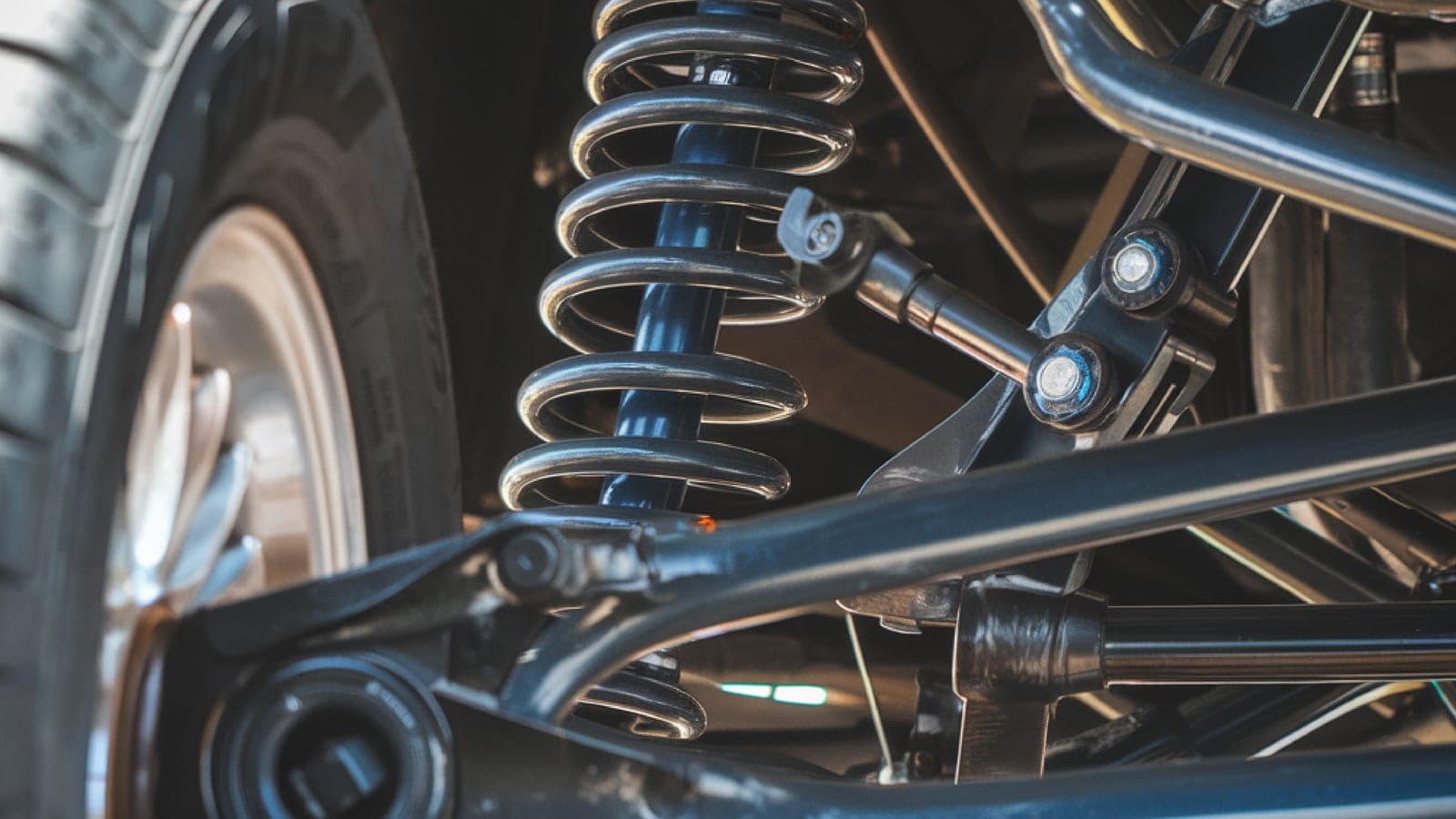
How Detroit's Potholes and Winter Roads Wreck Your Suspension
Freeze-thaw cycles and pothole season are genuinely hard on a vehicle's suspension. Here's what actually happens underneath your car.
Brakes
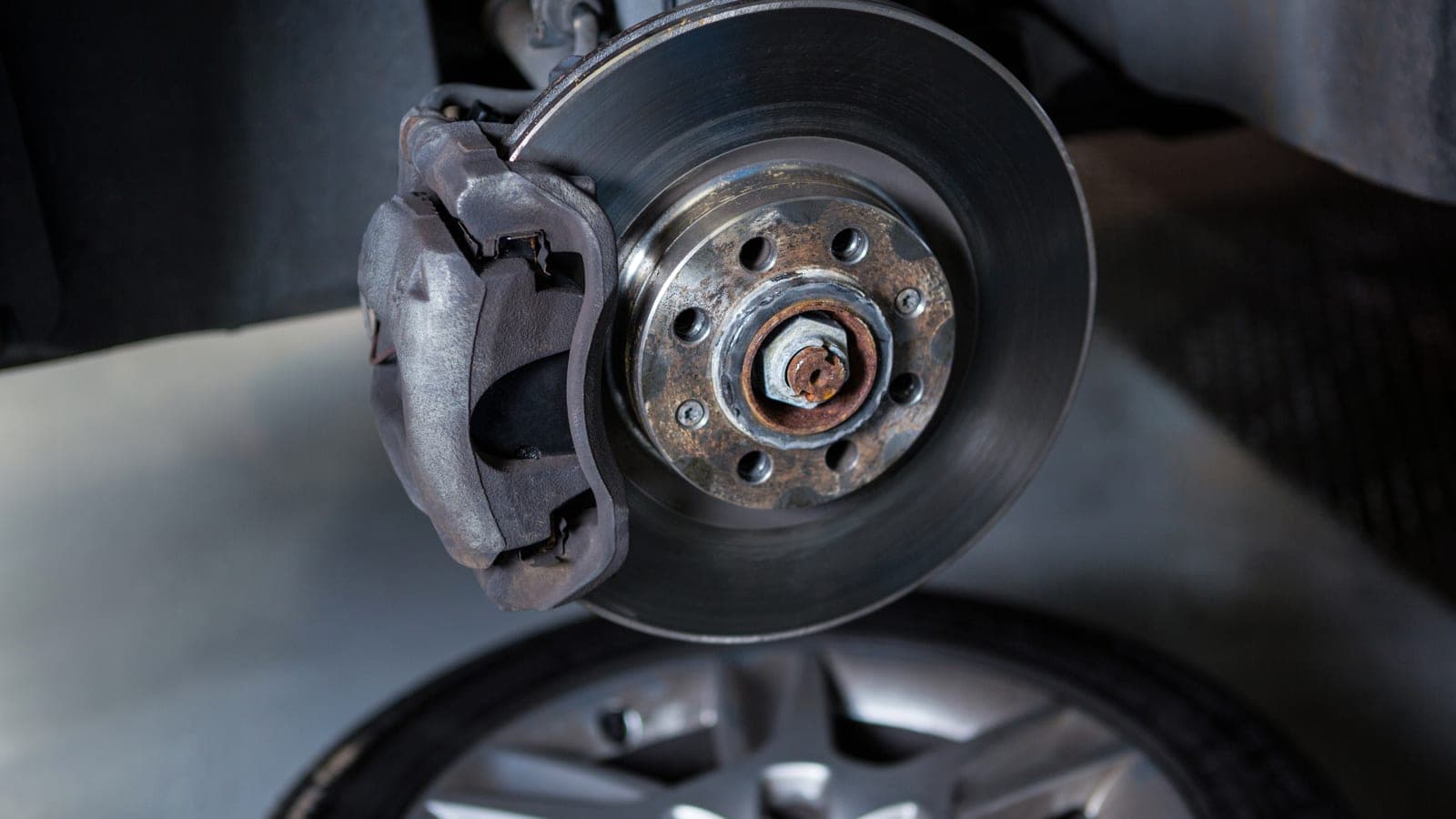
Grinding or Squealing Brakes? Here's What It Means and What to Do
Squealing and grinding are two very different warning signs. Here's what each one usually means, and how urgent it is.
Need Help With This in Detroit?
Call now for a straight answer, or request a free quote and we'll follow up.