Preventive Maintenance
How Often Should You Really Get an Oil Change?
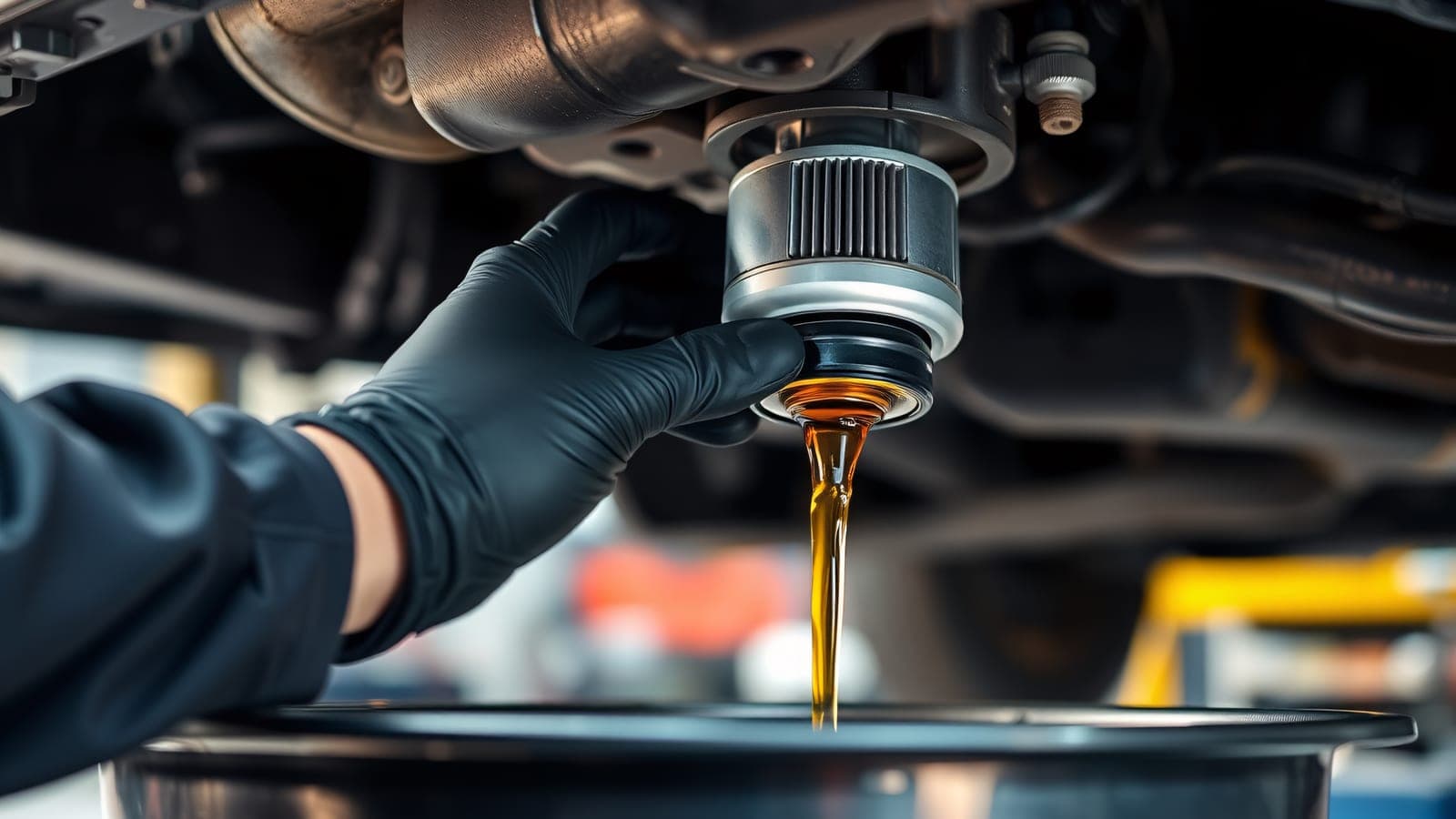
There's no single correct oil change interval that applies to every vehicle. The right interval depends on your specific vehicle's manufacturer recommendation, the type of oil it uses, and how you actually drive it. The old "every 3,000 miles" rule came from an era of older oil formulations and isn't accurate for most modern vehicles, many of which are designed to go considerably longer between changes when using the right oil type.
Why the Right Interval Depends on Your Vehicle
Modern synthetic oils are formulated to hold up longer than older conventional oils, and manufacturers factor that into their recommended service intervals. Two different vehicles, or even the same vehicle using two different oil types, can have genuinely different appropriate intervals. Rather than relying on a generic number, the most reliable source is your vehicle's owner's manual, or asking a shop what's appropriate for your specific make, model, and oil type.
What Actually Happens During an Oil Change
Beyond draining the old oil and installing fresh oil and a new filter, a properly done oil change is also a chance to look underneath the vehicle and notice anything else developing, a slow leak, a worn belt, or a hose that's starting to crack. It's a routine service, but it's also one of the more frequent times a vehicle is up on a lift, which makes it a natural point to catch small issues early rather than only after they've become noticeable from the driver's seat.
"Normal" vs. "Severe" Driving Conditions
Most manufacturers list two different service schedules: one for normal driving and one for severe conditions. Severe conditions are more common than people realize, and include things like:
- Frequent short trips that don't let the engine fully warm up
- Extensive stop-and-go city driving
- Extreme heat or cold
- Towing or carrying heavy loads regularly
- Dusty or dirty driving conditions
A lot of everyday Detroit driving, short commutes, stop-and-go traffic, and Michigan's seasonal temperature extremes, actually falls closer to the "severe" category than people expect, which is worth factoring in when deciding how often to bring your vehicle in.
Does the Oil Filter Matter as Much as the Oil?
It's easy to focus entirely on the oil itself, but the filter plays a real role too. Its job is to trap contaminants that build up in the oil as the engine runs, and a filter that's reused or of poor quality can restrict flow or fail to filter effectively, undermining the benefit of fresh oil. A quality filter matched to your vehicle, replaced at every oil change rather than every other one, is a small detail that makes a real difference in how well the fresh oil can do its job.
Does the Type of Oil Matter for the Interval?
Yes, the oil type your vehicle uses is one of the biggest factors in how long it can safely go between changes. Full synthetic oil generally holds up longer under heat and stress than conventional oil, which is part of why many newer vehicles that call for full synthetic have longer factory-recommended intervals than older vehicles designed around conventional oil. Using a different oil type than what's recommended, or mixing up intervals from a previous vehicle, is a common way people end up on a schedule that doesn't actually match what their current car needs.
If you're not sure what type of oil your vehicle takes or what interval it's designed around, that's a quick and worthwhile question to ask before your next service.
Signs You Might Be Overdue
- It's been a while since your last service and you're not sure what's due
- The oil change or maintenance reminder light is on
- You recently bought the vehicle and don't know its service history
- You've noticed a general decline in how the vehicle runs
- You're preparing for a long trip
Why Oil Changes Matter More Than They Seem
Oil does more than just lubricate the engine's moving parts, it also helps carry heat away and keeps contaminants suspended so they don't build up on critical surfaces. Oil that's overdue for a change gradually loses its ability to do all of that, and an engine running on old, degraded oil experiences more wear than one running on fresh oil. That extra wear accumulates quietly, which is exactly why staying on a reasonable schedule matters more than it might seem day to day.
What's Included in a Proper Oil Change Visit
At 7 Mile and Hoover, an oil change visit is also a chance to catch small issues early. Along with the oil and filter change, we check fluid levels, do a visual inspection of belts and hoses, check tire pressure, and do a general multi-point inspection, so if something else needs attention, you'll know about it while it's still manageable.
See what's included in our Oil Change & Preventive Maintenance serviceIf you're not sure what your vehicle is due for, or you've inherited a vehicle with an unclear service history, a general inspection is a reasonable place to start.
Learn more about our General Auto Repair serviceRelated Services
Oil Change & Preventive Maintenance
Oil changes and routine maintenance to help your vehicle stay reliable and avoid bigger repairs.
Learn moreGeneral Auto Repair
Full-service mechanical auto repair and preventive maintenance for everyday cars, trucks, and SUVs.
Learn moreEngine Repair
Engine diagnostics and repair for performance issues, unusual noises, leaks, and drivability problems.
Learn moreRelated Questions
Is the 3,000-mile rule still accurate?
Not for most modern vehicles. Many manufacturers now recommend longer intervals, especially with synthetic oil. Your owner's manual or a shop familiar with your vehicle is a more reliable guide than the old rule of thumb.
Does short-trip city driving really count as severe?
Often, yes. Frequent short trips don't give the engine time to fully warm up, which is one of the conditions manufacturers classify as severe driving, along with heavy stop-and-go traffic.
What happens if I go too long between oil changes?
Oil gradually loses its ability to lubricate and protect the engine as it breaks down, which leads to more wear over time. In more extreme cases, badly neglected oil can contribute to serious engine damage.
Do electric or hybrid vehicles still need oil changes?
Hybrid vehicles with a gasoline engine still need oil changes on a schedule appropriate to that engine. Fully electric vehicles don't use engine oil the same way, but still have other maintenance needs.
Can I go by the dashboard reminder light instead of a set schedule?
Many modern vehicles calculate a maintenance reminder based on actual driving conditions rather than a flat mileage number, which can be a reasonably reliable guide. It's still worth confirming it lines up with your manufacturer's recommendation, especially if the vehicle is older or the reminder has ever been reset incorrectly.
Related Articles

Transmission
Signs of Transmission Trouble You Shouldn't Ignore
A hesitation or a rough shift today can turn into a much bigger repair if it's ignored. Here's what to watch for.
Cooling System
Why Is My Car Overheating? Common Causes and What to Do Next
An overheating engine can turn into serious damage quickly. Here's what commonly causes it and what to do the moment you notice it.
Need Help With This in Detroit?
Call now for a straight answer, or request a free quote and we'll follow up.